This page preserves my original AdvisoryHour Substack note inside the John’s World research shelf. The source note remains available at substack.com/@advisoryhour/note/c-256502217.
The note
Running some tests in John’s world of multiple characters in the same, complex location. Some failure modes are very visible, others a little less so.
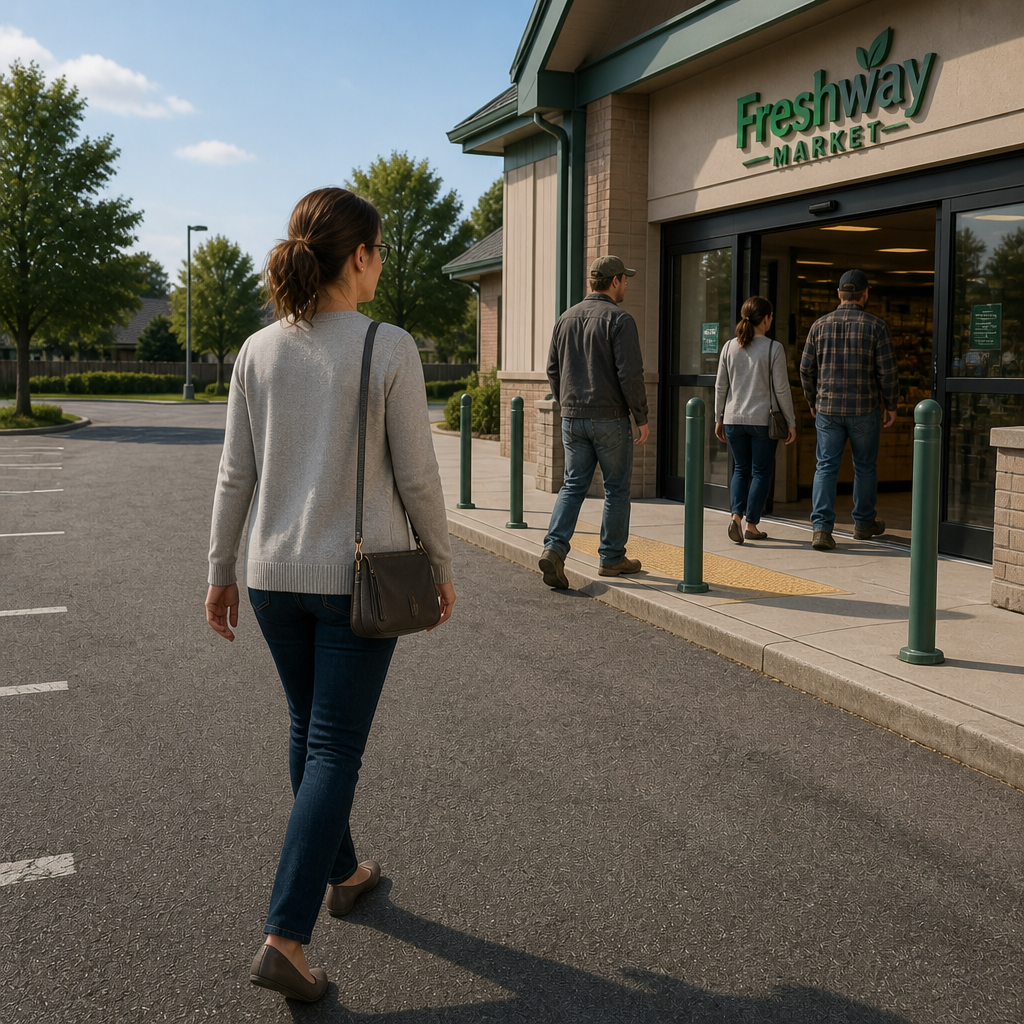
Why this belongs in the lab notebook
A single generated character can look coherent because the frame has fewer obligations. Add multiple people, one location, and a scene with enough visual structure to imply social state, and the test gets sharper.
The obvious failures are easy to spot: duplicated bodies, impossible handoffs, mismatched attention, or characters that seem to slide between roles. The quieter failures matter just as much. Who is allowed to be present? Which relationship is implied? What changed between frames because the system remembered it, and what changed because the image model filled the room with plausible noise?
That is the useful part of this note: it marks the moment John’s World stopped being only a single-character continuity problem and started acting like a social-state accounting problem.
Generated frames
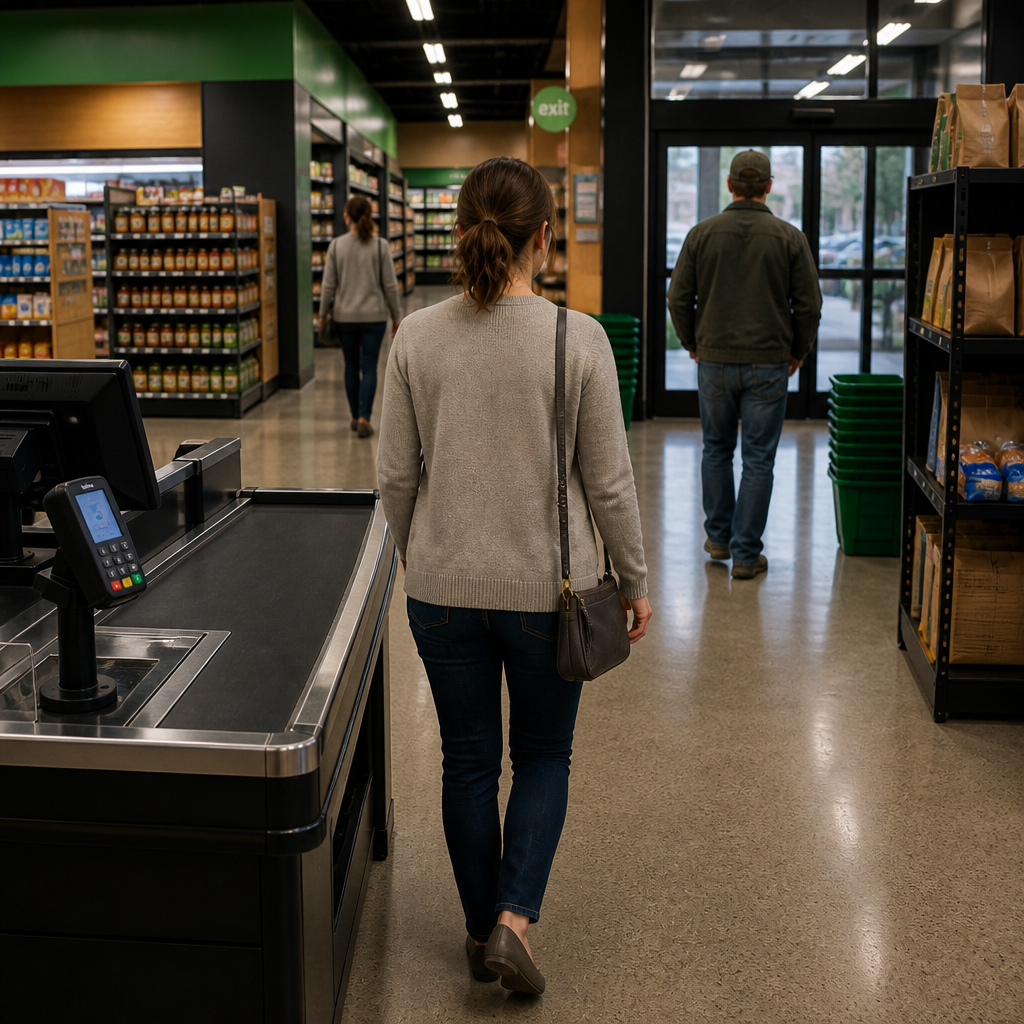
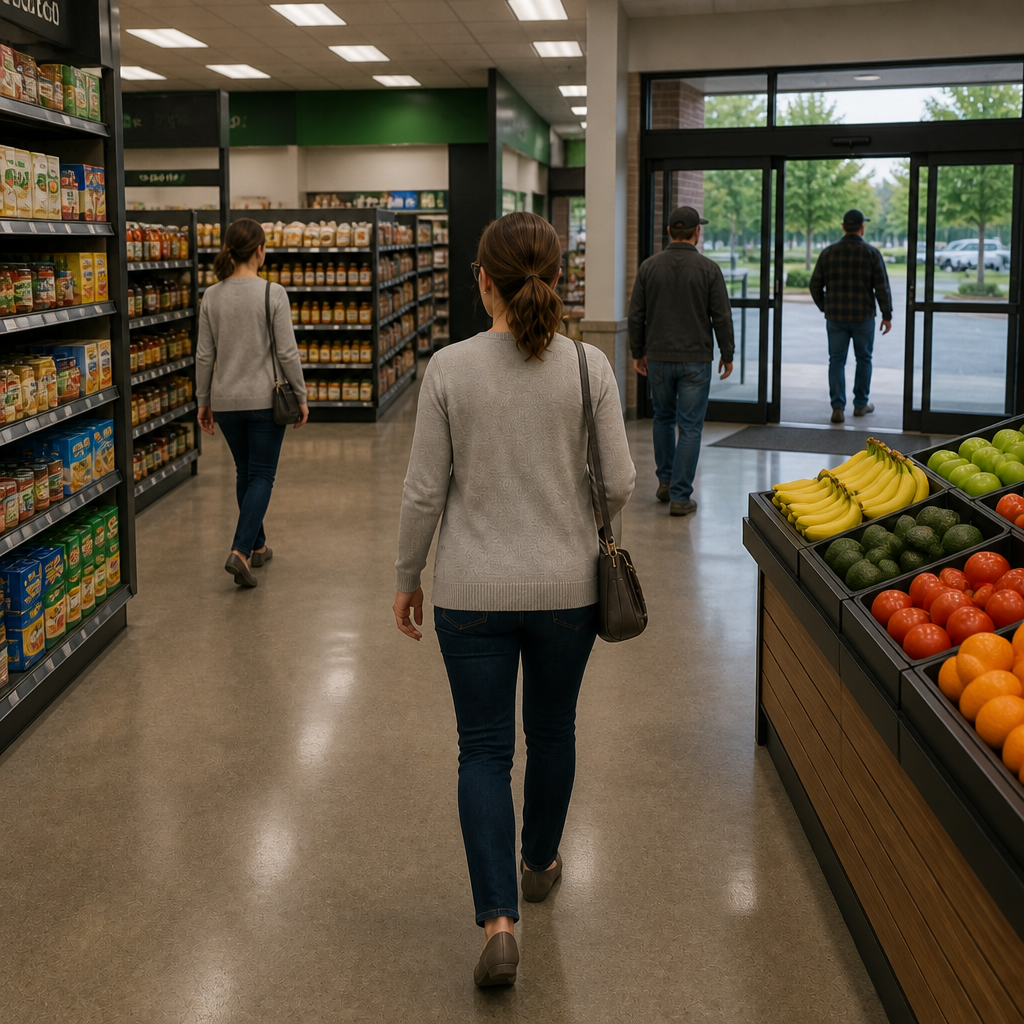


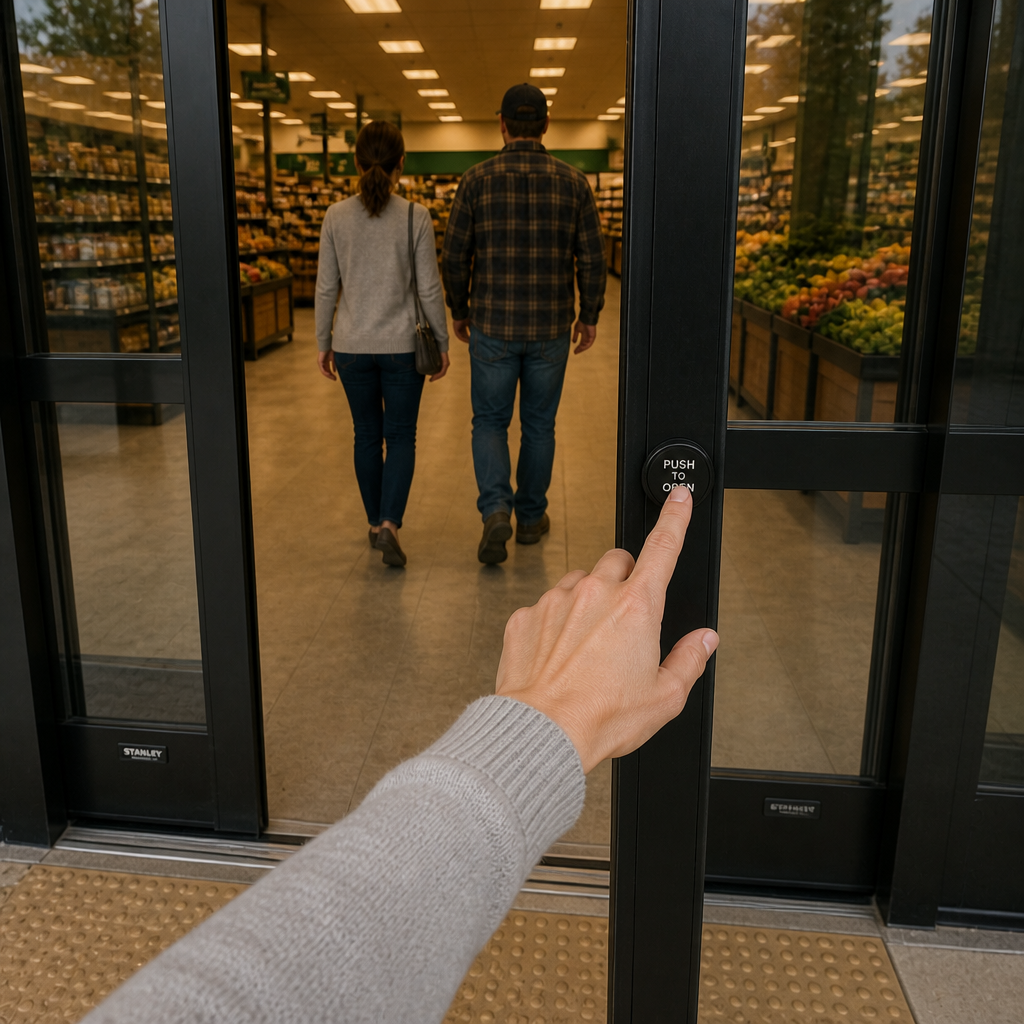
Six generated frames from the original note, copied locally so this page does not depend on Substack media hotlinks.
What to watch next
The next useful tests are not bigger images. They are better ledgers: stable character IDs, presence rules, location state, relationship constraints, and run logs that can say why a person is in a room before the renderer makes them look convincing.
That thread connects directly to the later John’s World repair notes on maps, vehicles, character records, reference images, and social state.