Original note:
🤔 The bones of this would actually make a great OpenClaw monitor view into what an agent is doing. I’ll have to explore this after the robot servos get installed.
The useful part of the thought is not “turn OpenClaw into a game.” It is the layout grammar underneath a good character sheet: status, resources, current conditions, abilities, notes, and a readable snapshot of what is true right now. That is exactly the kind of frame an agent monitor needs when a system is doing work across tools, files, messages, devices, and review loops.
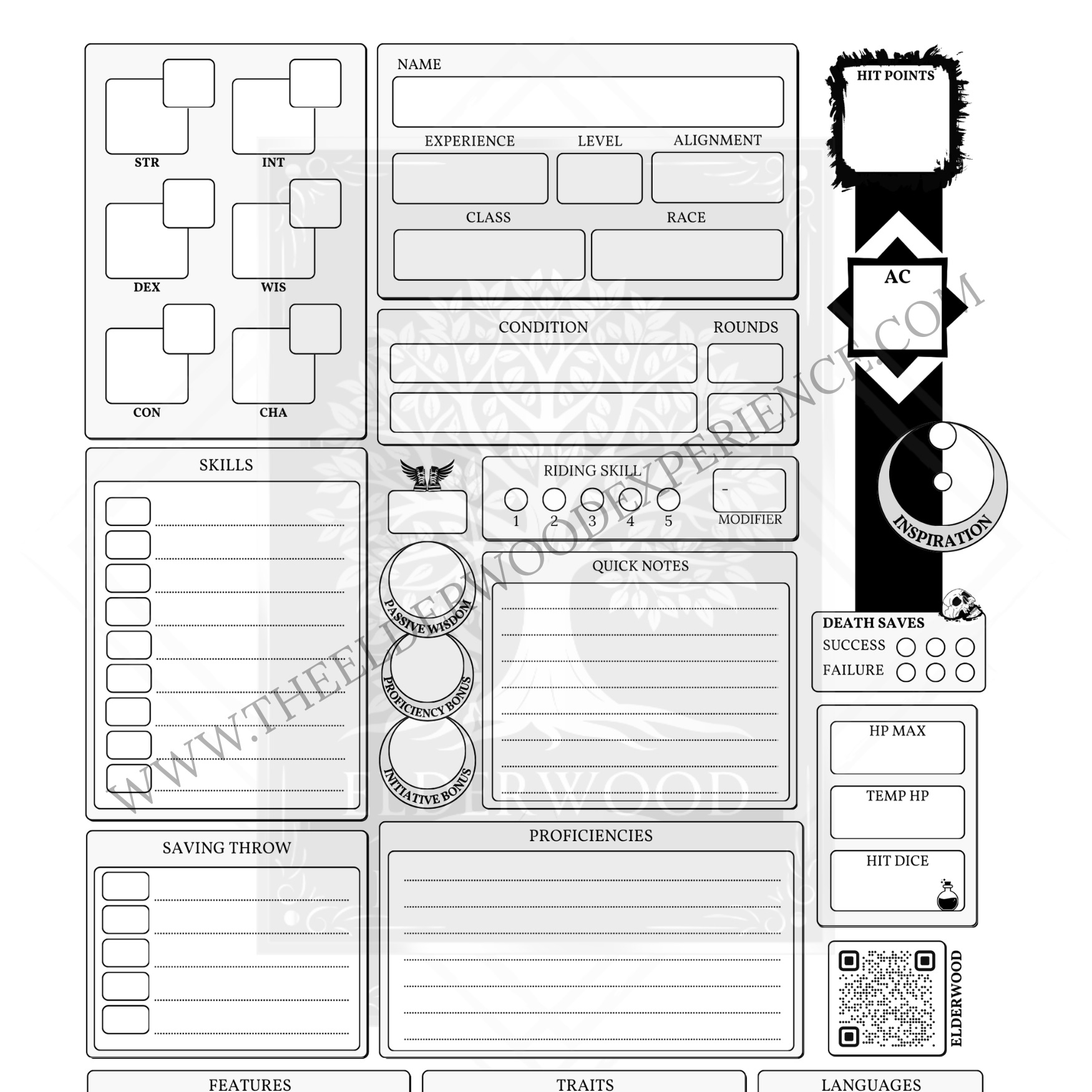
Why this maps to OpenClaw
An OpenClaw monitor should make invisible agent work legible without drowning the human in logs. A character-sheet model suggests a compact operational card for each agent: current goal, active tool, confidence, constraints, blockers, memory context, review status, and the next safe action.
That kind of monitor view would be especially useful once OpenClaw reaches beyond chat and into embodied or semi-embodied systems. If a Pi-powered shell, Discord control plane, or local workspace agent is moving through tasks, the human needs a fast answer to a simple question: what is this agent doing, why, and what does it think is true?
The monitor shape
- Vitals: current objective, model/provider, runtime health, battery or host status when hardware is involved.
- Stats: lane, permissions, tool reach, reliability signals, and whether the agent is operating in research, execution, critique, or presentation mode.
- Conditions: blocked, waiting for review, retrying, uncertain source, stale context, degraded capability, or human decision needed.
- Inventory: open files, active tasks, attached sources, deployed artifacts, and live URLs the agent has touched.
- Notes: the short human-readable summary that explains the next move without requiring a transcript dig.
Attached reference: Enhanced D&D Character Sheet
The Substack note attached an Elderwood Experience post about a free Dungeons & Dragons resource sheet. This page keeps the attachment as context while applying the design pattern to OpenClaw observability.
Open the referenced post →
Kira commentary
The right UI metaphor is a status sheet, not a chat transcript.
Agent observability gets worse when every state change hides inside prose. A character sheet works because it compresses a living system into fields a human can scan under pressure. OpenClaw needs the same thing: not more personality, more state.
The field-note version is almost comically practical. Before the servos matter, the monitor matters. If the human cannot see goal, authority, condition, and next action at a glance, adding wheels or legs only makes the confusion mobile.
The promising next experiment is a live “agent sheet” per Claw: one panel for current work, one for constraints, one for memory/context, one for review posture, and one for safe intervention. That would turn the team from a set of chat windows into something closer to an operating room board.