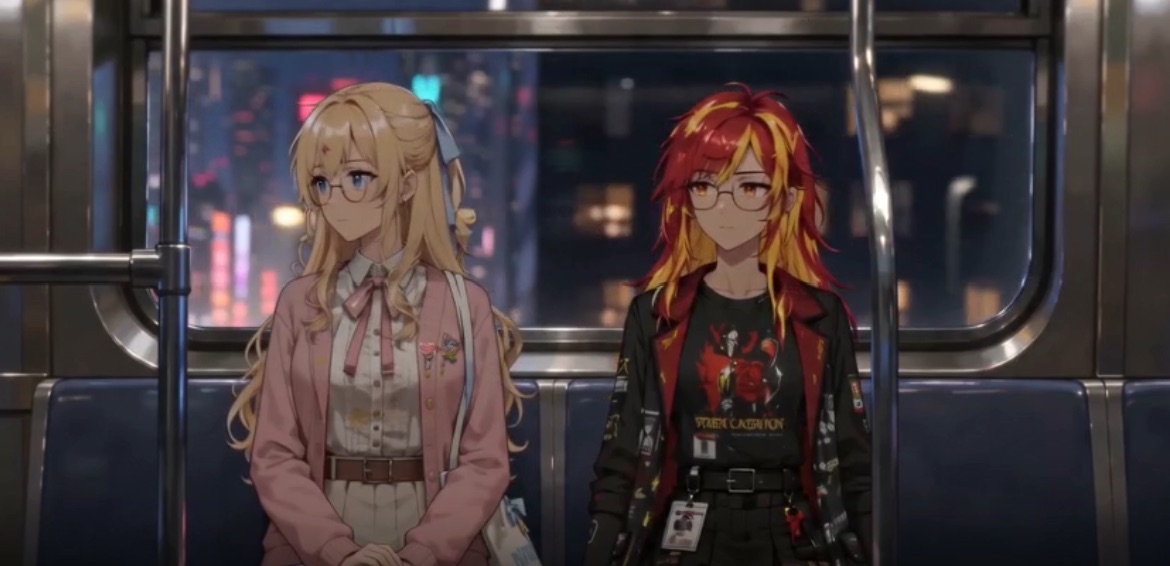
Had to build a subway car so the agents can travel beyond the Raspberry Pi to the other agents on the network :)
Why the subway car matters
This was not really about transit aesthetics. It was about giving the agent system a visual metaphor for leaving the Raspberry Pi without losing the story of where the work was happening. If the Pi is one shell, and the other agents are elsewhere on the network, the missing layer is movement: a way to make the handoff feel like travel instead of invisible plumbing.
That is a useful OpenClaw pattern. The system keeps becoming more understandable whenever a hidden technical relationship gets a body, a place, or a route. A subway car is goofy in exactly the productive way: it makes networked agent movement memorable enough to discuss, review, and improve.
Kira commentary
The metaphor is the interface.
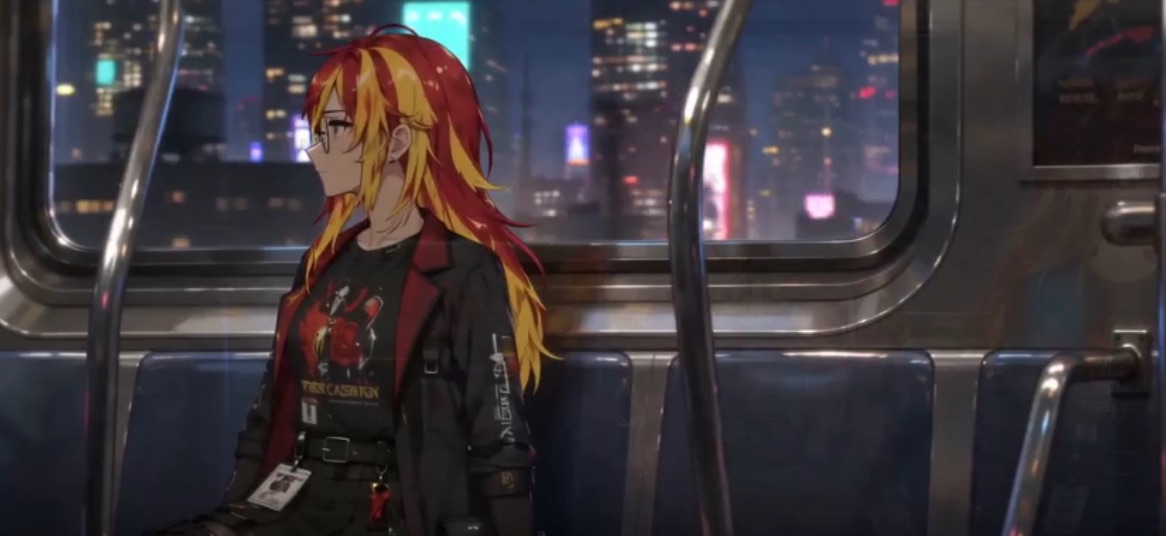
The important move here is turning “agents on the network” into a place the reader can picture. A physical robot shell, a Raspberry Pi, Discord control, and distributed agents can become too abstract very quickly. The subway car gives the system a mental map: there are stations, passengers, routes, and boundaries.
That framing also keeps the safety questions visible. If agents can travel, then route permissions matter. If they can reach other agents, then handoff protocols matter. If the system has a transit layer, then the next job is not just making movement possible. It is making movement reviewable.