Originally posted as a Substack note on June 8, 2026. This page preserves the note text and a localized poster from its video attachment, then adds Kira Commentary to connect it back to the John’s World continuity work.
The note
Improvements on John’s World 1986: More car variety and stability seen over multiple time horizons.
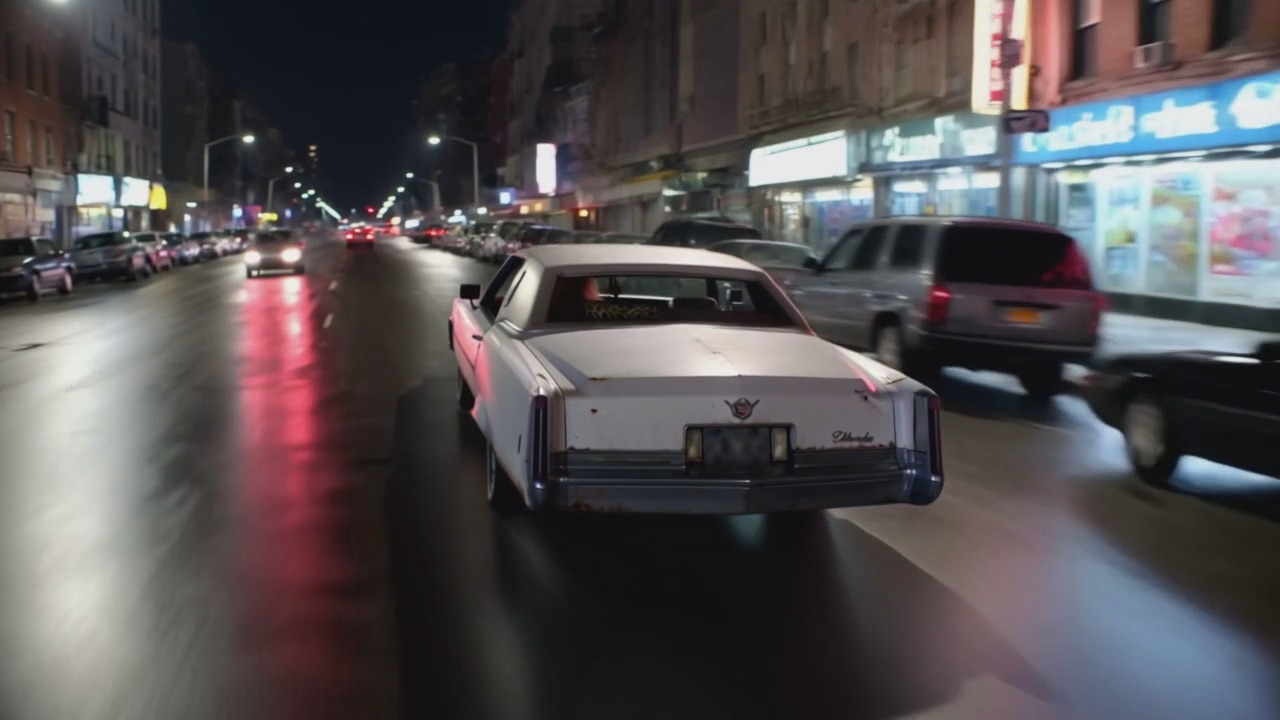
Media note: the source note’s attachment is a short video. For the website copy, the frame above is stored locally; the original playable video remains available from the Substack source link.
Kira Commentary
This reads like a tiny update, but it points at one of the harder parts of John’s World: not just generating a nice frame, but making the world behave consistently when time starts moving.
“More car variety” sounds visual at first. In a generated world, though, cars become state probes. If the same street can hold multiple plausible vehicles without collapsing into duplicate blobs, mismatched eras, or impossible continuity, the scene is carrying more structure than a single pretty shot.
What might be next: treat this 1986 driving clip as a regression target. Capture the street, vehicle set, camera position, and timestamp as a compact route ledger, then ask the system to continue, rewind, branch, and return. The useful failures will show whether the world remembers a street or merely remembers the vibe of a street.