This page mirrors my original Substack article inside EricRhea.com. The original remains available at advisoryhour.substack.com.
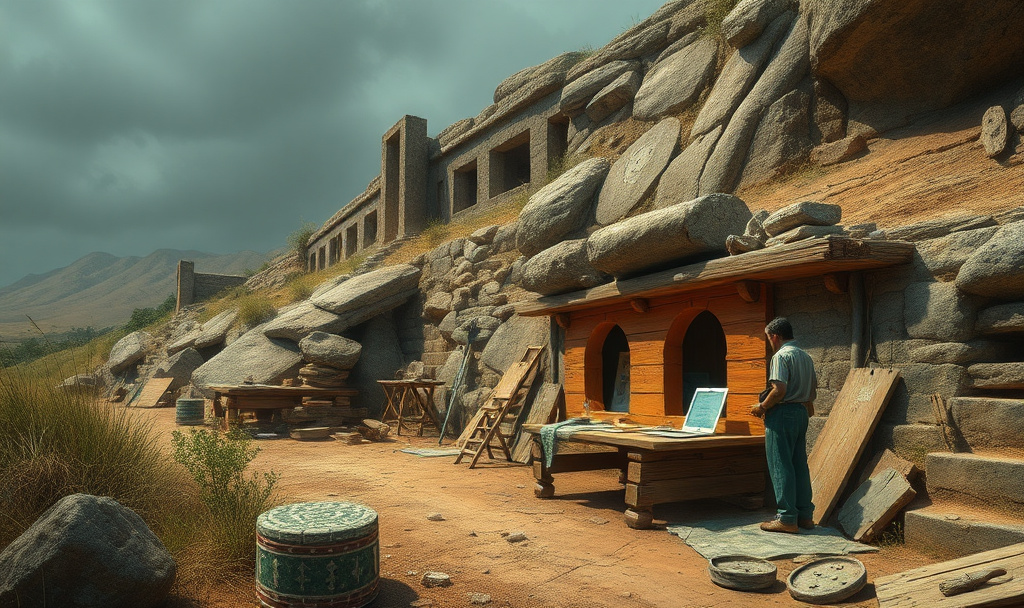
One of the experiments I’m running this month is digital archeology. I wondered: could I take my original 1999 install files and figure out what made a game like EverQuest possible?
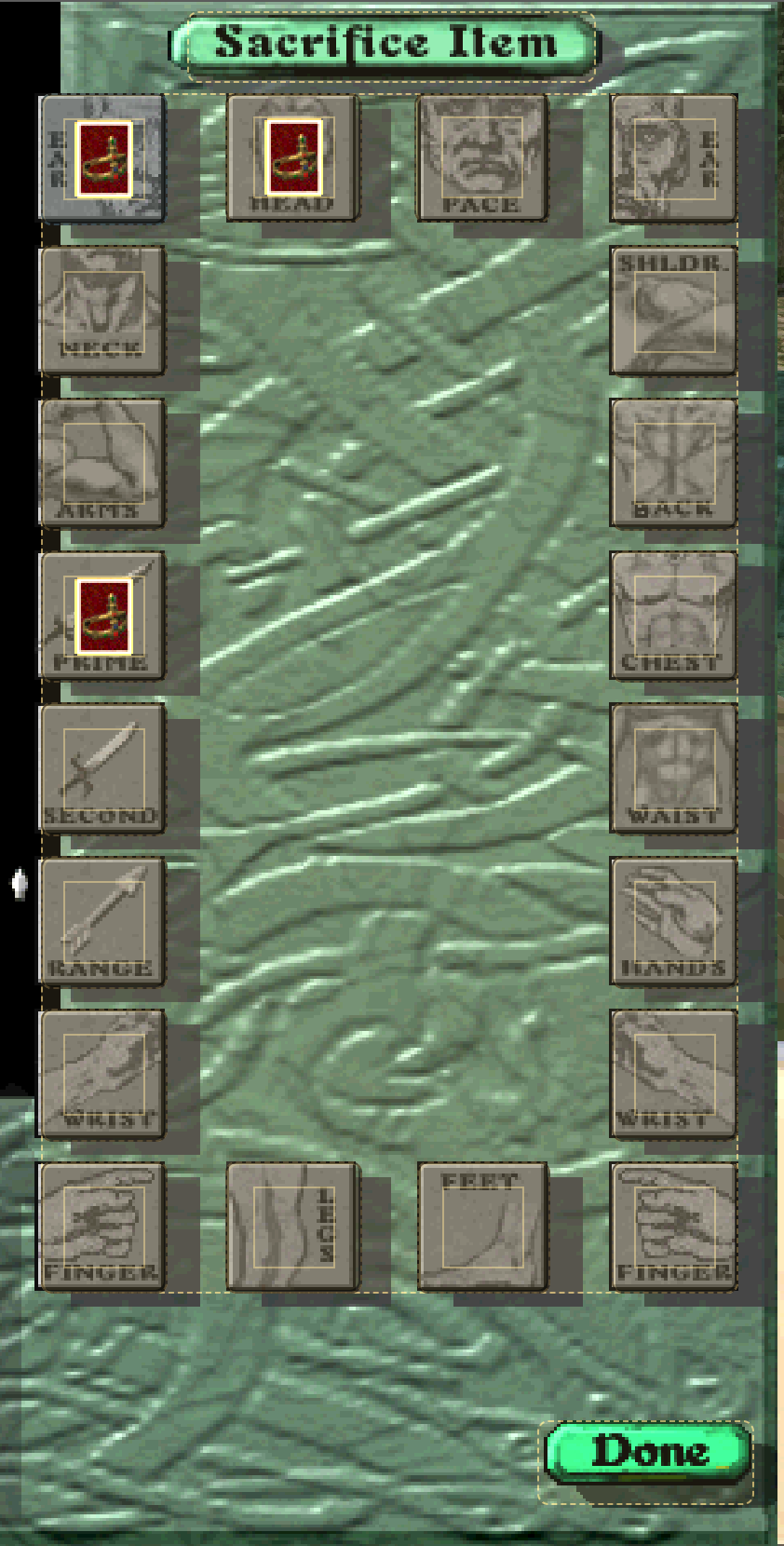
Every now and then there’s this surprise with AI that truly delights. There’s a screensnip below of a game screen that I’m pretty certain fewer than 100 people have ever seen.
The thing is that I just don’t recall this item sacrifice screen at all in the original EQ game-It’s got a very distinctive look. This screen emerged as one of the coding agents was just silently working along the way, and I went to test one of the combat aspects.
“What’s this? An entire item sacrifice?” In fact, if you search for this screen … you’re unlikely to find it. I’m not even sure which build of EQ this would be in, perhaps a very early alpha idea around how the game would play.
After fruitless searches with image search from the different providers followed. Soon I caved and asked Gemini about this, to see if it could locate the original that this comes from:
This is from the classic MMORPG EverQuest.
Specifically, it is a modified or specific mechanic window based on the game’s classic inventory/equipment user interface.
Here’s how you can tell:
-
The Slot Layout: The highly specific arrangement of equipment slots (two Ears, two Wrists, two Fingers, Prime, Second, Range, etc.) is the iconic setup used in EverQuest.
-
The Icons: The gray, etched drawings used for empty slots (like the pointing hand for the “Finger” slot, the sword for the “Second” slot, and the arrow for the “Range” slot) are the original classic UI assets from the late 90s/early 2000s.
-
The Interface Style: The green, textured stone background and the raised, beveled buttons are unmistakable hallmarks of the classic EverQuest interface.
The “Sacrifice Item” title at the top indicates this specific window is likely being used for the game’s Tribute system (where players destroy or “sacrifice” items in exchange for points that grant buffs), or it’s from a custom player-run server with unique mechanics.
I have absolutely no memory of this EverQuest UI screen, and I couldn’t find a single mention of it anywhere online. As far as I can tell, the AI hallucinated the entire screen. Or, just maybe, it’s a discovery?
What other discoveries await?
I just have no memory of this art and I am not finding any hints of this online at all.
The most interesting aspect is when this appears. According to the AI, this is the screen that was intended for looting a corpse. So when looting a bat, this is the screen that appeared after a combat interaction. What it means is there may be discoveries in old code- an idea I had suspected, but now see confirmed. There’s a joy in looking thru the past that’s hard to articulate: treasures that were smoothed out or culled by time
While an AI I consulted suggested this was the original interface intended for looting corpses: meaning this screen would pop up after defeating a mob, like a giant bat? that isn’t correct.
Gemini tells me that this is the Sacrifice Item confirmation window. Introduced during the Scars of Velious expansion, this screen specifically appears when a player interacts with the Temple of Cazic-Thule or the Cazic-Thule Sacrifice Altars to exchange items for faction standing or specific quest progression.
Strange. Strange because I read the online search results and don’t see this screen anywhere. Did Codex find this somewhere online during a research exercise and I just didn’t catch it? There’s a lesson there, too. Do we really know when our coding agents are pulling in sources from the web and just solving with a little help?
Ai isn’t just building things at this point; it’s extracting secrets from the past in ways we couldn’t have anticipated. I’m not sure what this means, but I do know this. There’s more interesting things ahead.
Thanks for reading! Subscribe for free to receive new posts and support my work.