This page mirrors my original Substack article inside EricRhea.com. The original remains available at advisoryhour.substack.com.
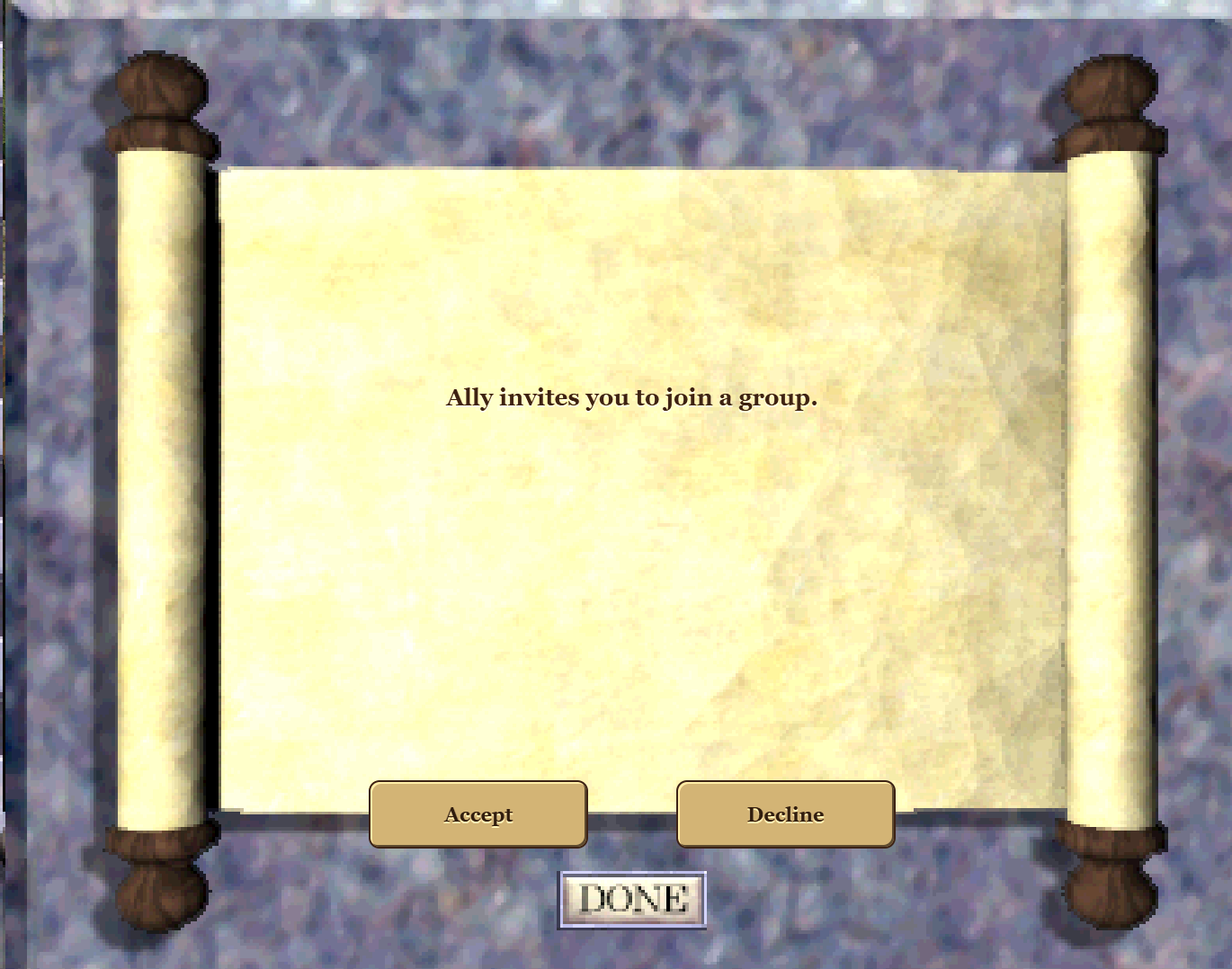
The above screenshot is how the model conceived of group invites. They arrive via scroll. There are times when leanings towards authenticity makes sense. And yet, I liked this scroll approach so much that I ended up keeping it because I like what it unlocks. In the future I may be able to have more complex “accept” or “reject” workflows built into the world. Workflow management becomes interesting when agentic flows start emerging inside a worldspace like this.
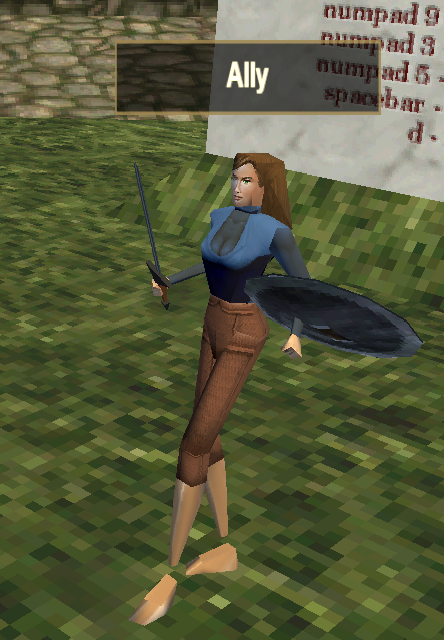
The “Ally” character is what the coding model came up with to test the group system. It created not just a character, but also gave it a sword and shield and some light armor. It’ll be fun to see this character walking around the stage one day.
Far from pixel perfect
Once vision is solved in agentic coding it’ll be such an unlock because so much of my tinkering with this project is swirling around problems of padding, margin, and placement. Take this example as illustrative of the problems that can emerge in agentic coding (beyond the mass of code itself, which is a whole other problem).
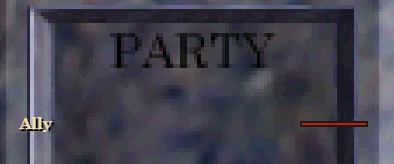
Setting aside the aesthetic the name and group health are layered outside the container. This is the kind of thing that is faster to fix with mortal hands, and yet I continue to insist that the model do the work. I plead with the coding model to make the change in part to figure out how I can help the model to avoid these kinds of problems. The model struggles even with visual screenshots of the UI. It works best if I decompose the problem into a way that the model can evaluate testing as it goes. UI testing is so very difficult at the pixel level in projects like this.
Adaptive UIs
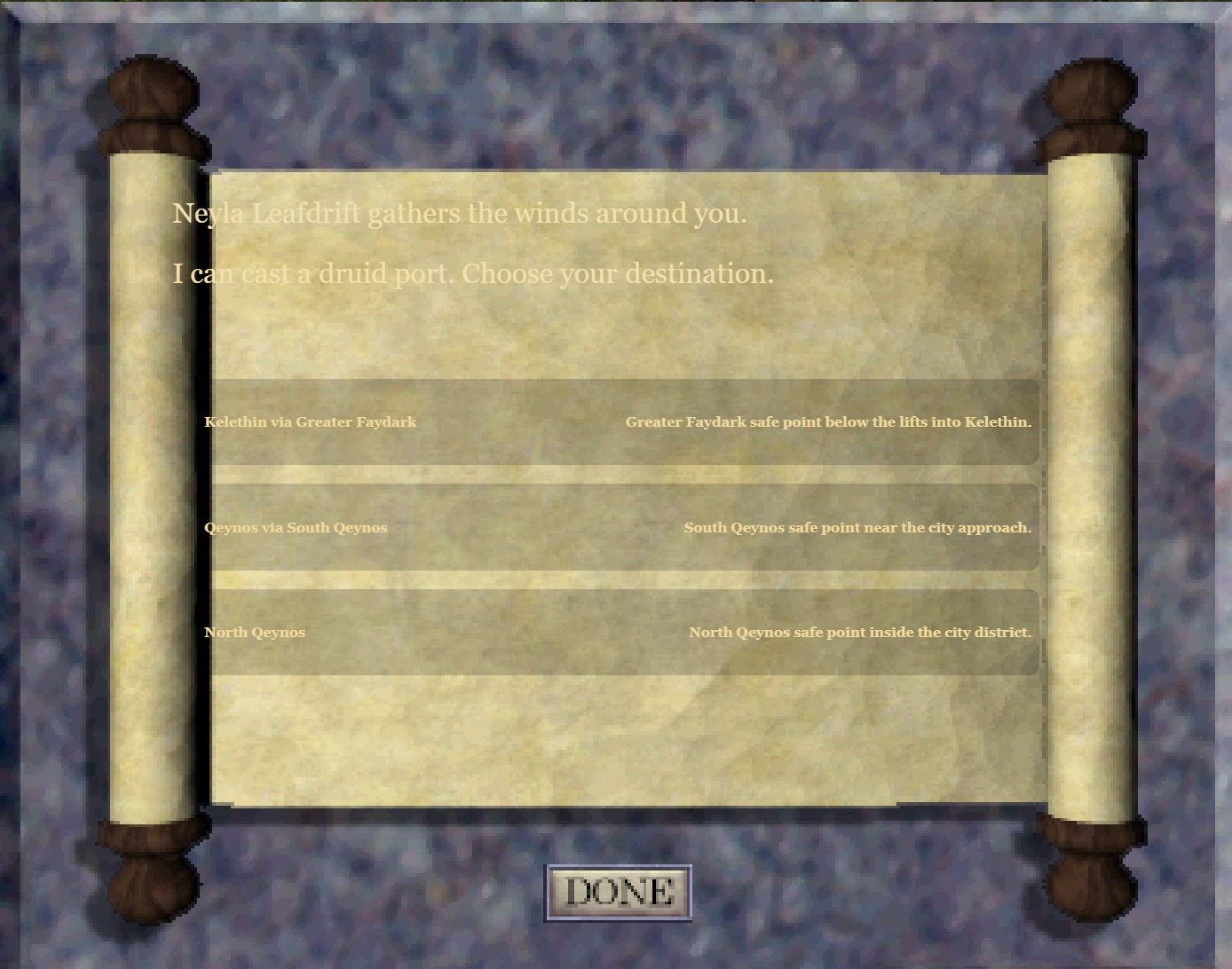
Having a baseline of adaptive UIs the model can just sling together is extraordinary. For example, it became a trivial exercise for Codex to implement an NPC druid that can teleport me around the world. In this case, the model constructed a UI with different choices. The styling, again, needs work. However, it opens up this whole new level of interaction flow that’s quite interesting.
What’s next
As of now teleporting to the other zones is a little empty. I’ll be aiming to fix that and it’ll give me a chance to test out more combat fixes and changes that I’m working on. It’s incredible to me to think a game that I recall buying a dedicated PC to play can now just run in a browser. Gobsmacked is a word that comes to mind.
There’s a lesson to be had about these projects that makes them worth doing beyond just learning the rough edges of what a given technology can do. There’s transfer skills you develop as well as new doors you didn’t consider start to open up. The UI interaction system that the AI coded up set the groundwork for it to construct an adaptive “choice select” UI later on. This means that now an AI could create other UI on the fly.
These projects look like nostalgia, but they are actually laboratories. Every broken margin, every awkward character scale, every half-working inventory panel teaches me something about directing software creation under uncertainty. The game is the artifact, but the skill being built is stranger and more durable: learning how to turn vague imagination into executable systems with an increasingly capable, still-flawed machine partner.
The old EverQuest asked players to explore dangerous worlds. This version asks a different question: what new kinds of worlds become possible when the builder is no longer working alone?
Thanks for reading! Subscribe for free to receive new posts and support my work.