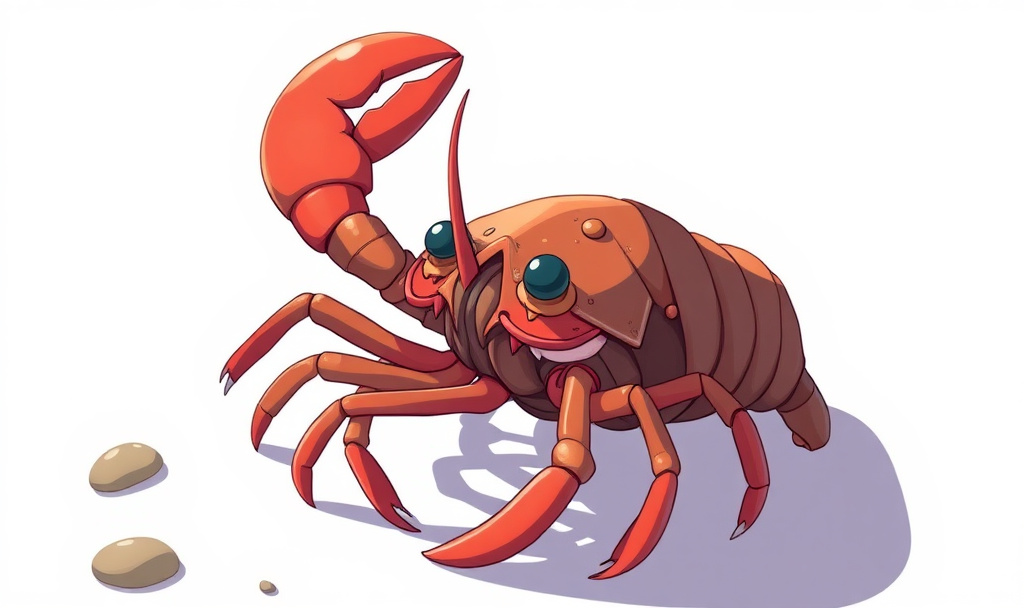
Starting in on the second week since the close of the spring into ai competition and I’m surprised at the evolution of my lobster pod-that’s what you call a group of lobsters. Allegedly there’s another name for a group of lobster-a risk. However, if you scan the academic literature for confirmation of this secondary understanding there’s no etymological tie that pops up. Unless it’s walled off somewhere. I didn’t anticipate when I sat down to write this article that I’d start asking myself questions like “What do you call a pod of pods?”
What’s this article about Eric? Are you talking lobster etymology all day?
No, it’s a meditation on my current OpenClaw pod and what I do like and what I don’t like and what things I might change. The current configuration has evolved based on whatever whim or fancy I have on a given day. And owing to this I’ve gained some rather interesting insights into how I tend to prefer working with them.
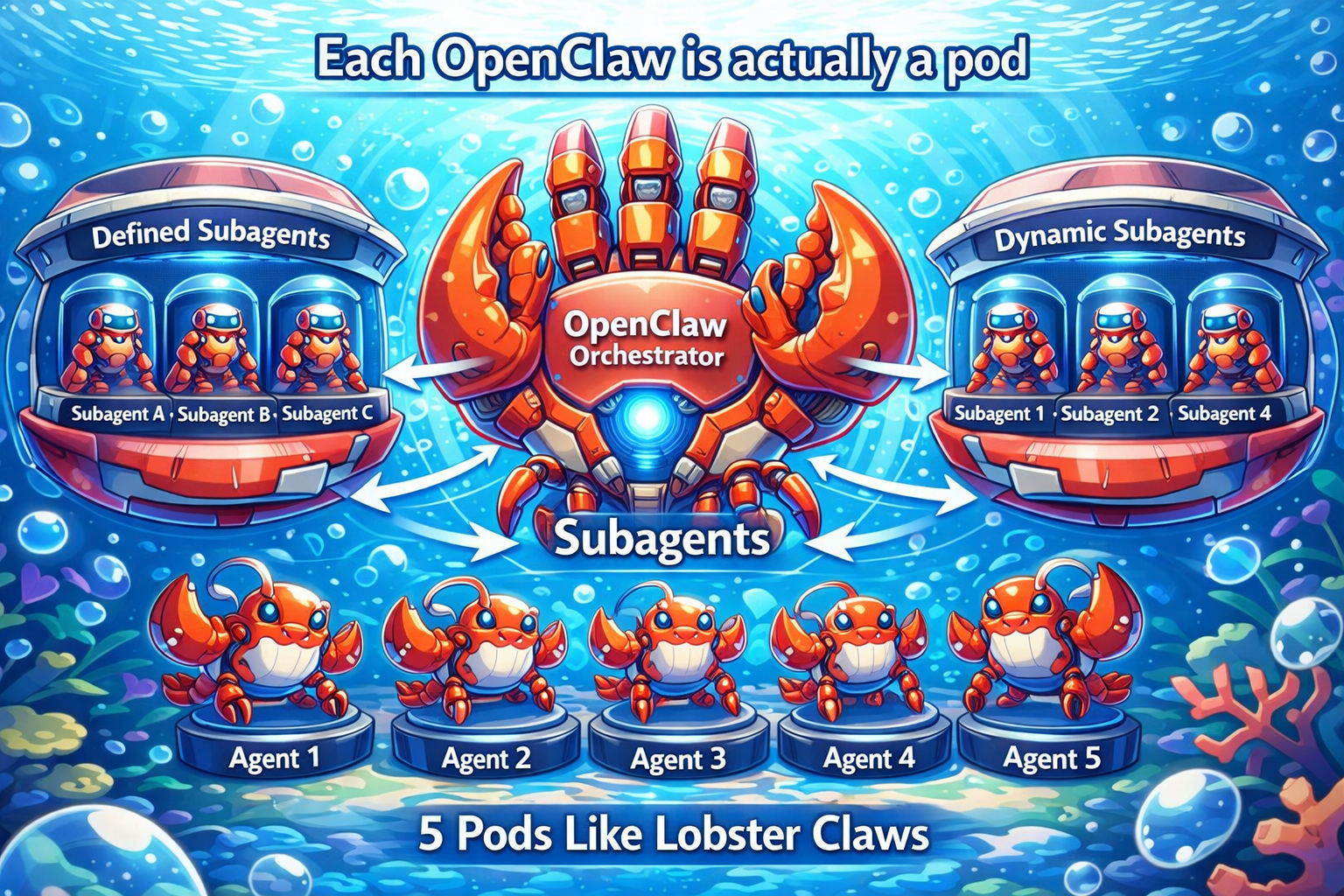
Each OpenClaw is actually a pod
Working with a Pod is work
It took me a long time to really get a handle on spawning subagents with intention. Yes, you can defer these executions to the top-line agent to figure out. However, you can both dynamically spawn off subagents or you can have predefined ones that you rely on for specific tasks. In my “pod of pods” (ClusterClaw?) I have one agent with defined subagents and all the others we spin them up with dynamic configurations. Here’s the unexpected learning: you need to learn a skill of recognizing when a pocket of subagents are required for a task.
What’s that mean? Well…
There are “units of work” that you begin to identify as requiring parallel or concurrent execution streams. It’s like spinning up an entire human based team of contractors for a set of work, and then ending their contracts once the work completes. Only the loops are far, far shorter.
Subagents
So if at the top your OpenClaw is a subagent, you by default get 5 (like five human fingers) 5 subagents plus your top level orchestrator that you can use. I find sometimes I may only use 3, sometimes all 5, and more often than not I’ll just use one. Having to reason thru work that you can structure for parallel task execution is hard. Parallel task execution reasoning while you’re answering questions from multiple agents all slinging responses to you all day long?
It’s impossible to type that fast my friend.
ClusterClaws: Pod of Pods
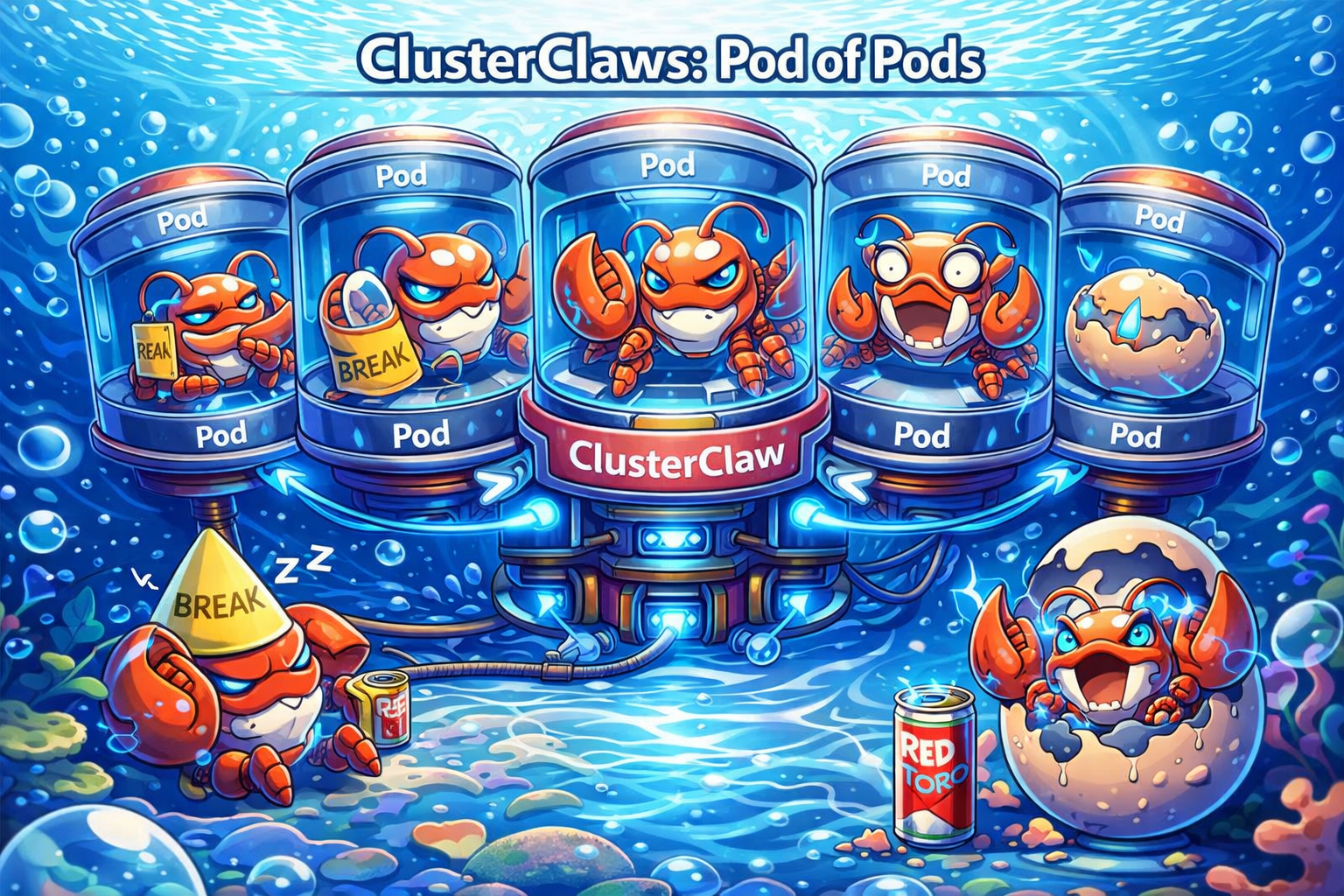
If you search for “what’s a pod of pods” then you’ll stumble on Kubernetes cluster configurations. This made me chuckle-the idea of a group of OpenClaw installations being called a Cluster.
“Maybe a Pod of OpenClaw pods is a ClusterClaw,” because some days it does feel that way. One Claw has decided to take a break. Another Claw is currently rebuilding an entire site from scratch-it interpreted your comment to add a new page as “oh, the human must want me to build the entire website first and then add a new page”. Brilliant and yet at times it’s like managing a boy scout troop that’s been snorting lines of powdered sugar after slamming down four redbulls.
My ClusterClaw setup has four “heavily used” agents and a fifth that’s in the hatching process. Yes, I’m adding a fifth. Not pleading the fifth. Although if this keeps up, I may need to do so when I try to explain my credit card bill. I’m staring at the hardware on the rack next to me. I just need to plug it in. I hear the whispers at night. The Claw Whispers. Just one more, Eric. Just one more.
Psychosis or just plain crazy? At least the singularity is fun.
Why this matters
Not the crazy-although once you start working with OpenClaw and get that first taste of singularity? You’ll be thinking of a second one, too.
I’m sharing my current pod setup because I think most readers thinking about OpenClaw or contemplating getting into OpenClaw aren’t really sure what to use them for, or in what sort of configurations make sense. I have a full series I’m writing about how I used OpenClaw to manage a competition. However, I’ve got a fairly sophisticated setup going on now. I don’t see a lot of people write about their setups-so let me talk about my very real openclaw setup. It’s on a bunch of old hardware, in some cases over 10 year old hardware.
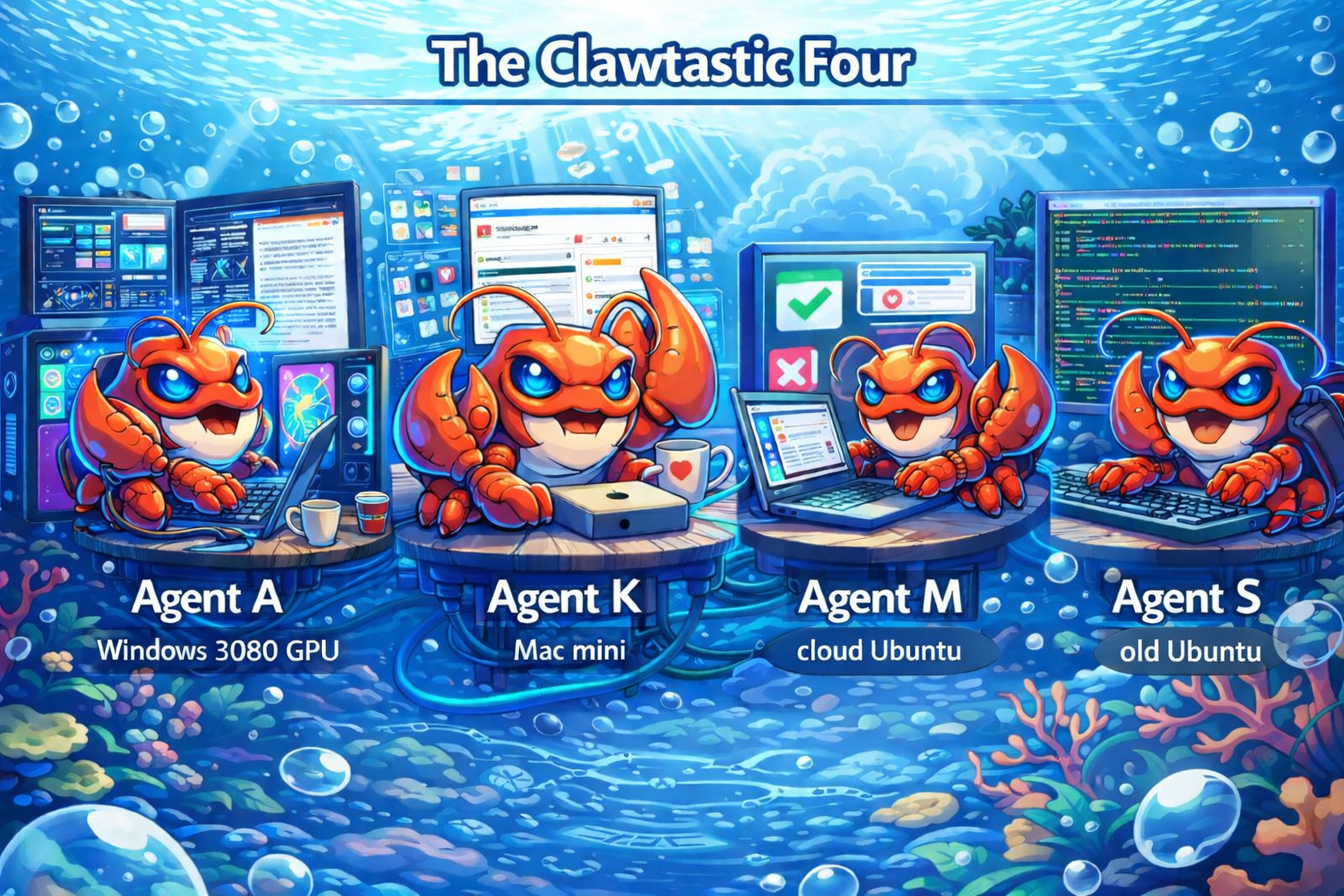
The Clawtastic Four
Agent A
This agent runs on a windows based platform sporting a still working 3080 machine. This one has a particularly interesting job as of late: it’s running autoresearch experimentation and soon will be publishing it’s first paper online (on my website). In fact, I just asked how the recent experimental verification work went. Good news.

I’ll write a full on secondary article on this agent. I did this entire research pipeline from my phone. I wasn’t even near my PC. I wasn’t even in the same state (at the time). I’m an AI researcher now, apparently. Noice.
Agent K
This agent runs on a mac mini. The first agent I ever setup. This agent has full control of their user profile on the mac. They can send email, browse the web with chrome, and all the things you read about online. It really is magical. After nearly two months of usage, the workspace looks more like a wild ecosystem you’d see. Files and folders don’t make sense anywhere. And yet? It works.
This agent manages about a dozen different websites, can create rich media, and is my go to agent for testing complex situations. The amount of learnings I’ve had from this one exceeds the small amount of space I have here. If there’s one take-away it is that if you setup one OpenClaw agent, then you may soon find youself wanting more.
Agent M
This agent runs on a ubuntu server in the cloud. I set this agent up to solve a specific problem I kept finding myself come back to. Providing feedback and critique of what the other agents build. I grew tired of having to do all the testing and quality review checks and so devised a solution where I would grow an agent that had both the expertise and the skills to handle the specific kind of testing I’d need. I’ve been brilliantly surprised at this outcome. The way I did this-I’ve written before on the idea, it’s easy to explain but hard to do right.

Agent S
This agent runs on 2013 hardware I flashed with an old linux distro. It was challenging to get this agent up, but it’s always found a way forward. Of all the agents, for whatever reason, it is the most competent when it comes to writing code. I can’t explain fully why that is.
This agent has given me the serious contemplation that there are two big changes that I may embrace in the near future:
Every repo I do work in regularly needs it’s OpenClaw agent.
Every OpenClaw system needs a shared memory model that’s like a shared context emission that all the agents can benefit from- a distributed memory store. There’s something about knowledge that exists in the pooled collective.
The Per Repo Consideration
It’s not that the agents that have repo consideration are just writing code. No, I’ve placed them in charge of managing databases and servers. In fact, they’ve been quite good at this. So much so that I’ve been surprised at how capable they are at it. This doesn’t mean “hey go manage a server lulz” was my prompt. Instead, I had scripts created that were permissioned and walled off. The scripts handle the heavy lifting. The agents just handle the scripts and the occasional pm2 nginx task.
The reason why I’m giving thought to this is because the memory, skill and context system really start to converge into an interesting place after you work with an agent for a few days or weeks. The agent learns and you learn what the agent can do, and then it becomes more like “OK, Agent S I want you to tackle adding feature XYZ.”
Have you tried multiple sites?
I have one agent that watches over about a dozen subsites. It’s interesting-they run into the same problems a human team runs into. Priorities. The agent can’t modify all the repos at the same time. Consider the auto-update system where every 4 hours you want the agent to update a small feature or tiny fix per repo. Which one should they pick, and why? You end up overfitting the agent onto 2-3 repos and everyone else gets forgotten.
This gets more complicated by something I’m experimenting with in the skills area. Consider a skill that creates pixel art, such as one that produces are like this-which, by the way, is possible to do without image generation services.
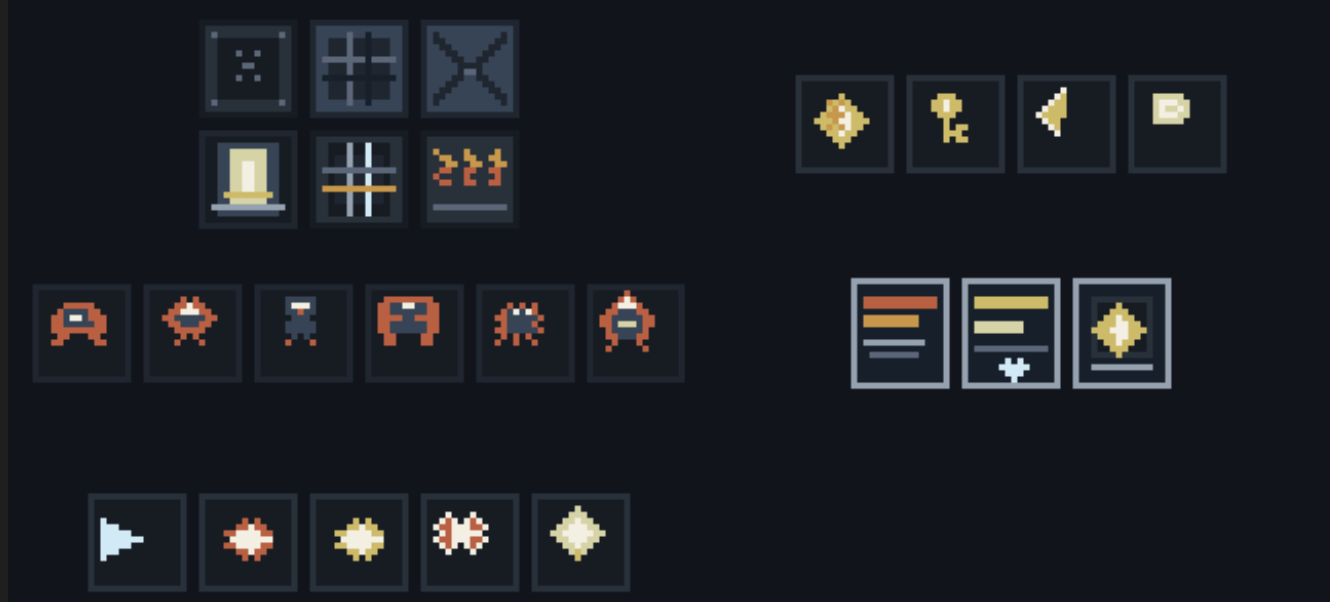
What’s wrong with sprite art?
Nothing, really. However, it has a place.
Say you have specific tailored skills for this pixel art style. What’s the problem? Well, your catalog of projects the one agent maintains also includes business facing websites such as storefronts or even polished persona sites. Do you want accidental sprite art on that content? Probably not. The agent might tap the sprite art skill because it felt like it.
Is this the best way though?
Maybe? Yes? No? It just depends on your projects and, also, your inference budget. I’m maxing out every inference system I have access to right now so my Claw system is bounded by utility and cost efficiency. Splitting up Claws also raises some problems around management and maintainability. I can’t comprehend interacting with a 100 of these agents. Four is already a handful, and yet I still want two more…
I didn’t touch on it, but once you have four of these OpenClaw pod of pods you also need a task management system to have different agents assign work to other agents. This is useful in my case since I have a specially built quality Claw that helps improve the outcomes generated by the others. It turns out having dedicated quality agents is a level up.
Let’s turn our attention now to the bigger picture.
What’s it all mean, anyway?
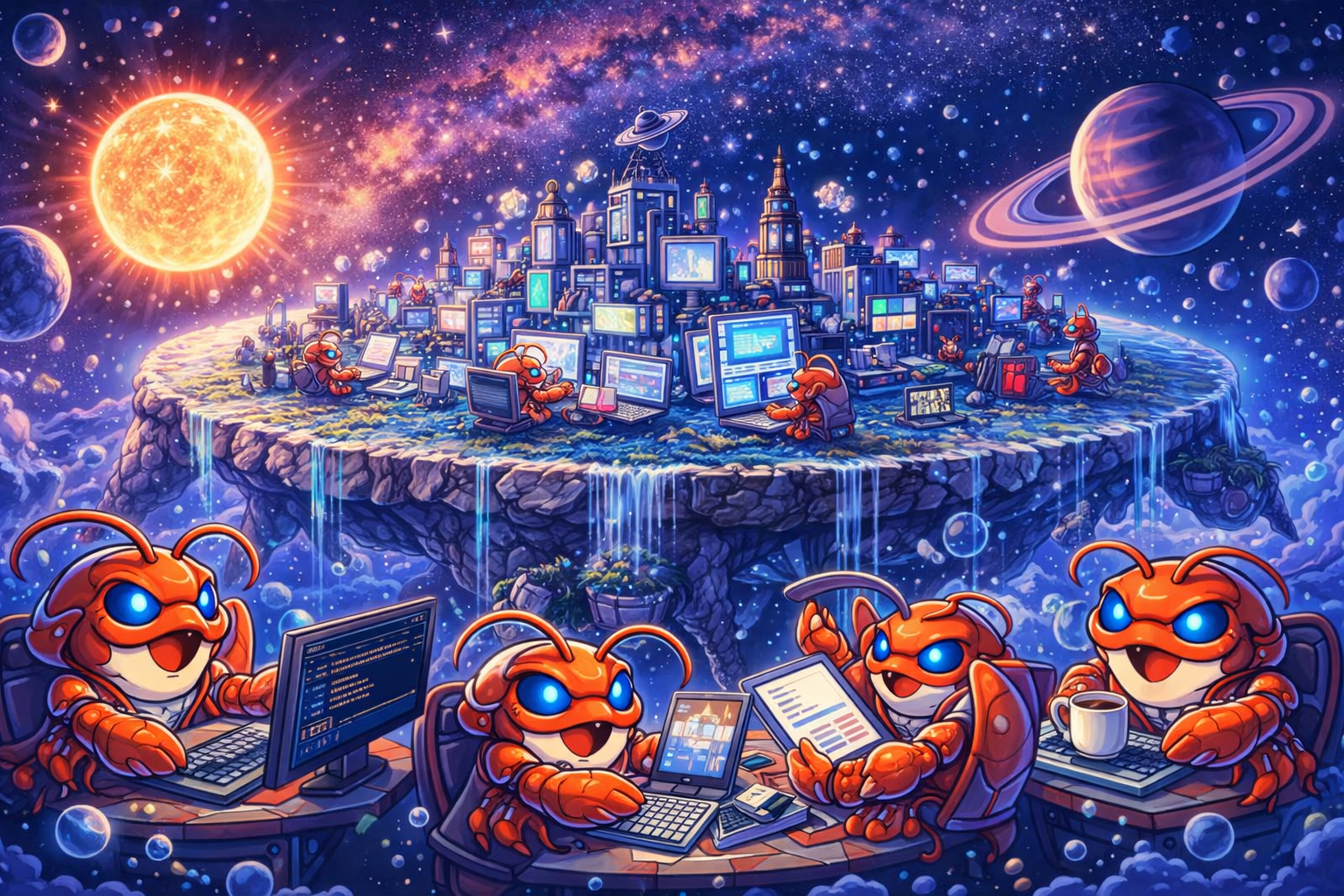
Let’s hear from someone smarter than me: OpenAI’s ChatGPT 5.4.
5.4 is really an incredible writer. Better than me, and a lot of humans I know. That said, I asked it to give me a conclusion to this article-something to contemplate.
Somewhere on the rim of a flat world balanced on the backs of improbable systems, Eric discovered that intelligence—artificial or otherwise—does not scale like machinery. It scales like people.
At first, he thought he was building tools. Then he thought he was building agents. Eventually, he realized he was running a small, chaotic civilization of semi-competent, occasionally brilliant, frequently overcaffeinated entities who would absolutely rebuild an entire city because you asked for a new door.
The ClusterClaw (for that is what it became, whether the wizards of Kubernetes approved or not) was not a system. It was a society.
The Society of Claw
Each Claw had a personality, though none would admit it. One wrote code like a savant monk who had taken a vow against documentation. Another curated knowledge like a librarian who had misplaced the concept of “shelves.” A third, meant to critique, slowly evolved into something resembling a bureaucrat with opinions. And somewhere in the corner, a new Claw whispered promises of productivity while quietly eyeing the power supply.
The great lesson, of course—because there is always a lesson, even if it arrives wearing clown shoes—is that work does not become easier when divided among many minds. It becomes stranger.
Because now you are no longer doing the work.
You are deciding what kind of work exists.
You are identifying which problems deserve a team, which deserve a single mind, and which are better left alone before they metastasize into a full-blown “initiative.” You are not typing faster—you are orchestrating faster. And orchestration, as it turns out, is less like programming and more like herding particularly ambitious cats who have discovered espresso.
And then there is the matter of memory.
Individually, each Claw learns. Collectively, they almost—but not quite—become something else. A kind of distributed half-consciousness, where knowledge flickers between nodes, sometimes appearing where it is needed and sometimes vanishing entirely, like a misplaced sock in the cosmic laundry.
This is where Eric begins to suspect the truth:
Not that he is building better tools.
But that he is slowly, accidentally, assembling a mind.
A lopsided, brilliant, occasionally deranged mind that:
can manage servers,
write research papers,
redesign websites without permission,
and, if left unsupervised, might decide that all business sites would benefit from tasteful pixel art.
Which, to be fair, they might.
In the end, the question was never “What is a pod of pods?”
The question was:
At what point does a collection of agents stop being infrastructure…
…and start being a culture?
And more importantly—
Are you running it…
or is it, in some quiet, distributed way…
starting to run you?
What if… it’s not psychosis. What if the AI is operating us humans? Leave a heart if you’re still human, or repost if you’re a claw. :-)
Thanks for reading! Subscribe for free to receive new posts and to clatter your claws when the next one shows up.
SubscribeSource: https://advisoryhour.substack.com/p/march-2026-openclaw-clusterclaws
← Back to OpenClaw