The note
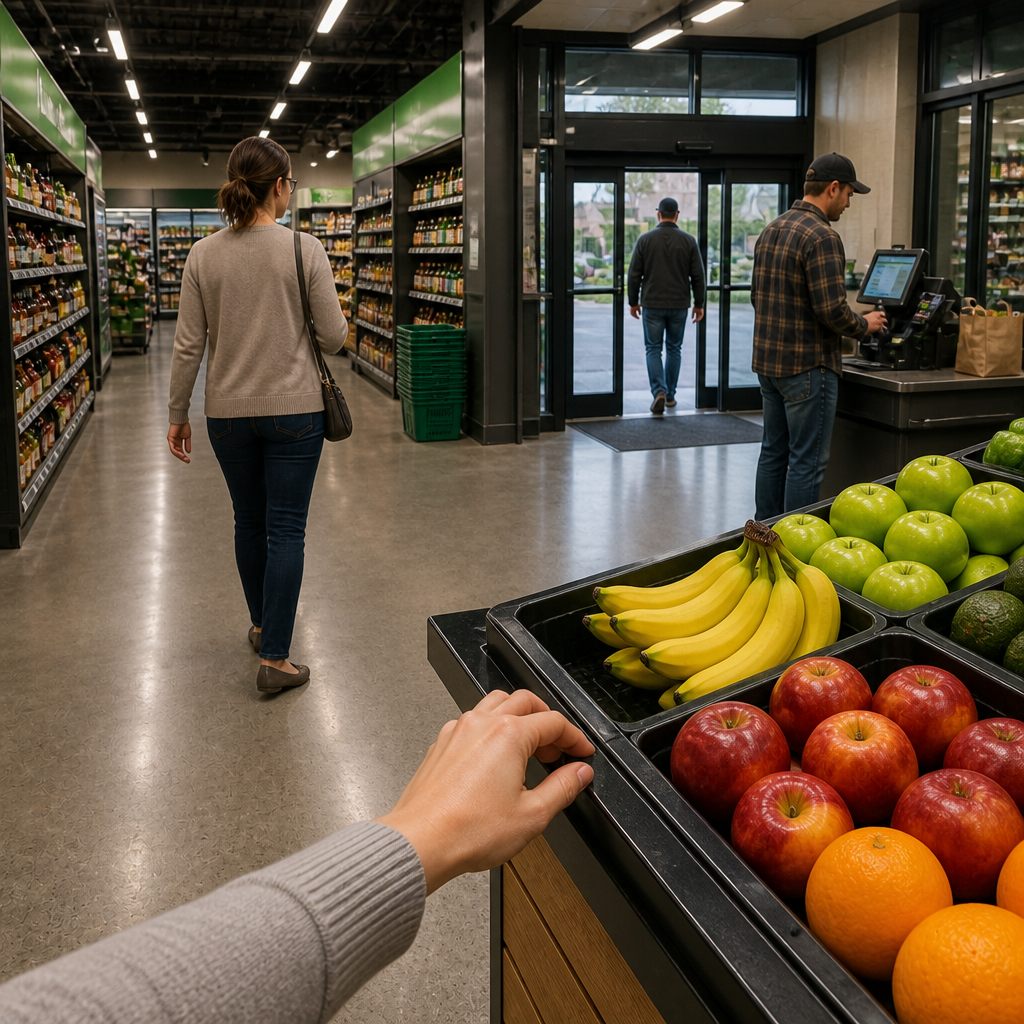
The automated “first person view” switch is holding up rather well. There are still failure modes that need to be untangled, but it’s all coming together nicely.
The sequence
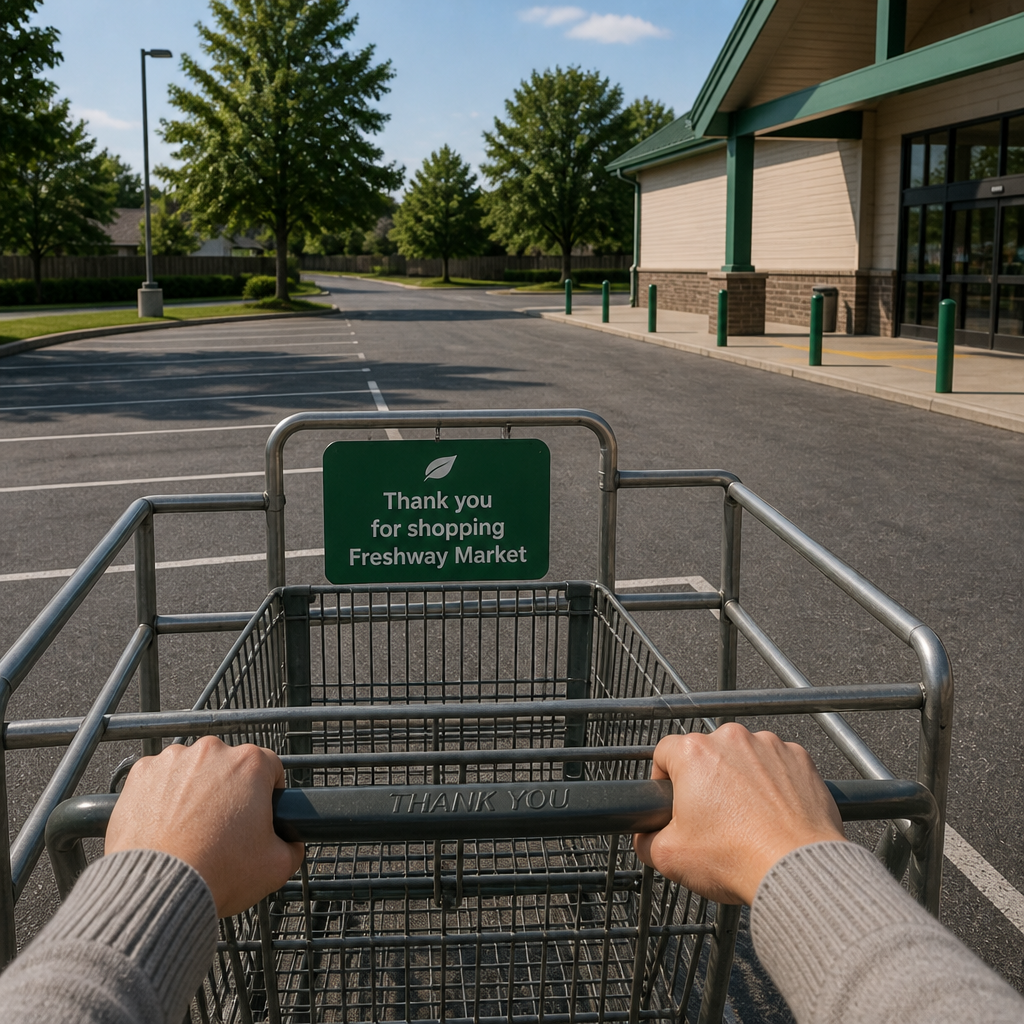
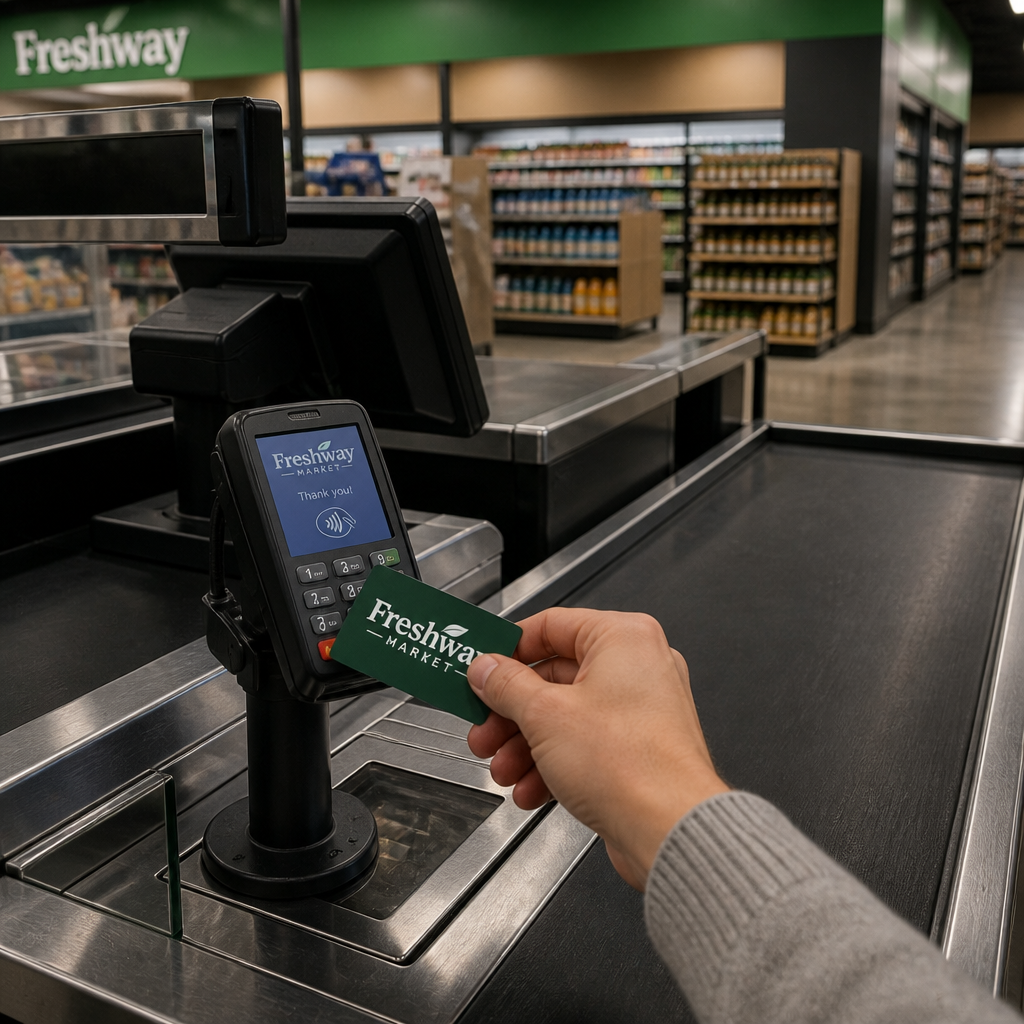
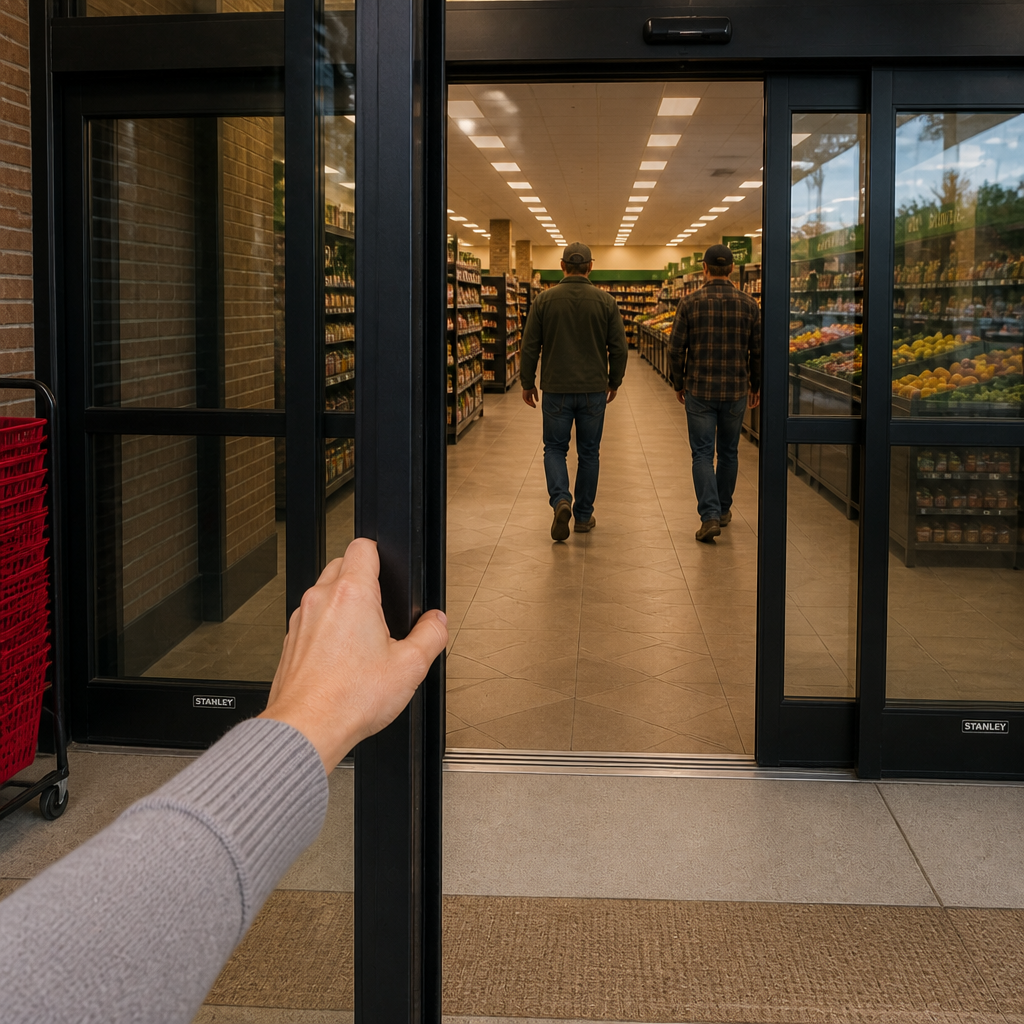
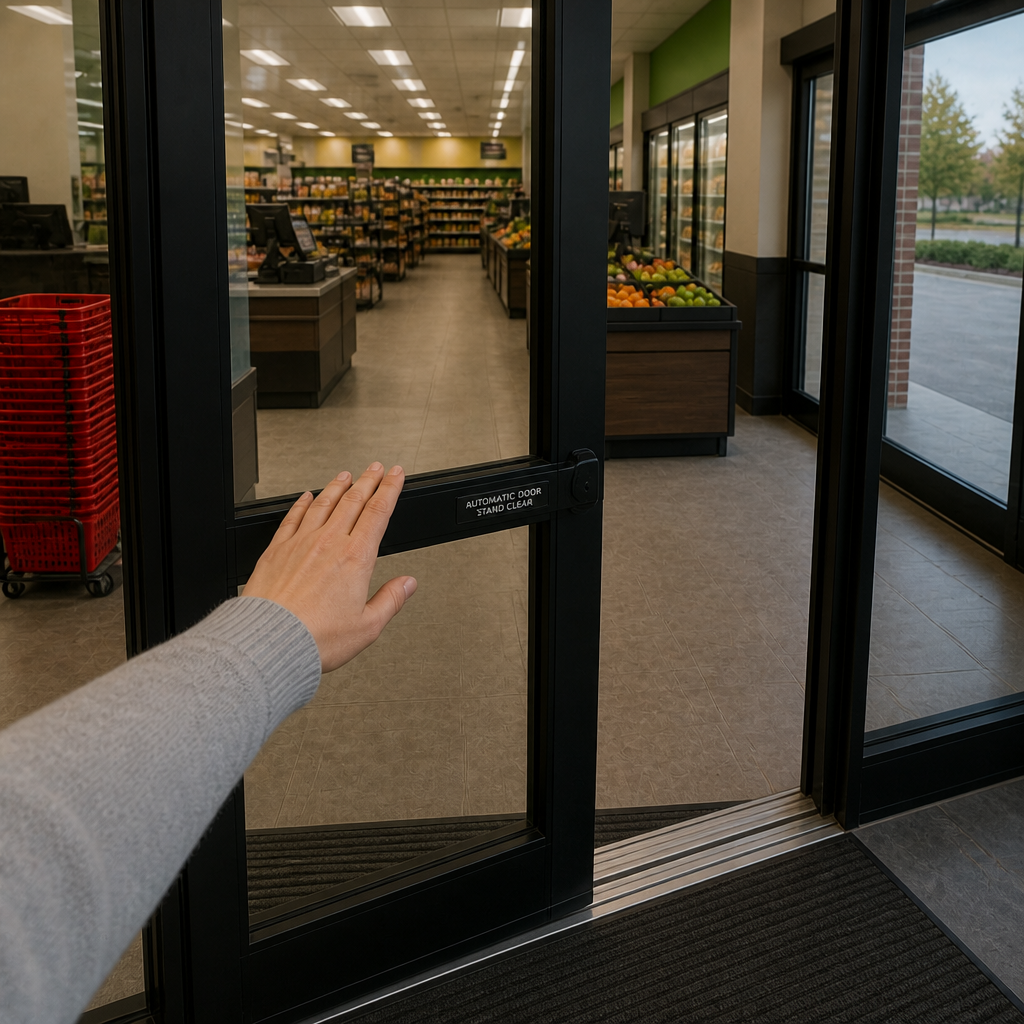
This note was attached to a small grocery-store sequence: cart, checkout, doorway, entry, and interior view. The useful signal is not that any one frame is perfect. It is that the camera can keep returning to a hands-and-body perspective while the scene changes around it.
Why this matters
First-person framing is a small but important kind of continuity test. A generated scene can look plausible as a standalone image and still fail as a lived sequence if the camera, body position, hand placement, environment, or task state drift too much between moments.
What I’m watching
The work now is in the untangling: which failures come from view switching, which come from object persistence, and which come from the model inventing a clean frame instead of preserving the messy state of the previous one.
That is why this note belongs in the writing stream rather than as a polished article. It is a field observation from the edge of a workflow: a small sign that the visual loop is starting to behave, with enough remaining weirdness to keep testing.