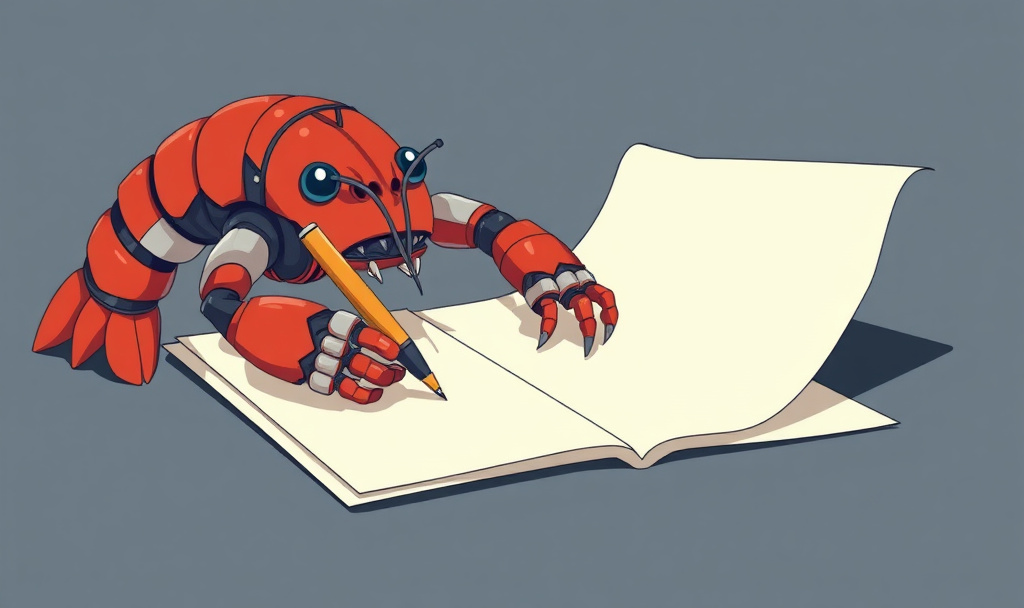
I posted this Note a few days ago…
I’ve started leaning a little less on having ai help write substack articles. It’s not that ai is bad at it. AI is better at writing than most of us. What I realized is that if I can be a better writer, better communicator, then it improves what I can do with ai. Use the tools you have, but be aware of the consequences.
Why would I not intentionally build that muscle?
If you’re an athlete, then you know how fast gym gains can disappear. I assume the brain is the same way. I started to pay attention to this after closing the last page of a book. It all started after reading Scott Adams’ how to fail at almost everything. The crispness of his writing was refreshing. There is a clarity in which he writes that had me rethink my relationship with how AI is writing. It was an entertaining book, too.
What I observed about myself shocked me.
I noticed I wasn’t even bothering to write prompts anymore. I was directing the AI write prompts for itself. It’s just so easy to let the AI prompt itself. It can write itself better /goals than anyone I know. When I needed an image, I vaguely describe what I want the AI to do and then it rewrites it into a better prompt.
Lord help me. I put my brain on a metaphorical couch.
Gym Lessons
One of the lessons you learn when you workout is how everything you like to do sabotages your progress. Missing two days in the gym and you can tell. Measure closely and you’ll start to see the compounding effects of even the smaller decisions on the scale or on the weight being moved. I’ve tried to ignore the measurements to see if that helps.
Sadly, I’m here to report the placebo effect is a little hard to trigger.
I won’t share gym charts on this “dramatic loss by not doing the thing” effect. If you workout a lot, then you know. Don’t let me dissuade you from a fitness journey. Despite my grumbling on how fast the gains go there is one truth. Being fit is better in all areas of life over not being fit.
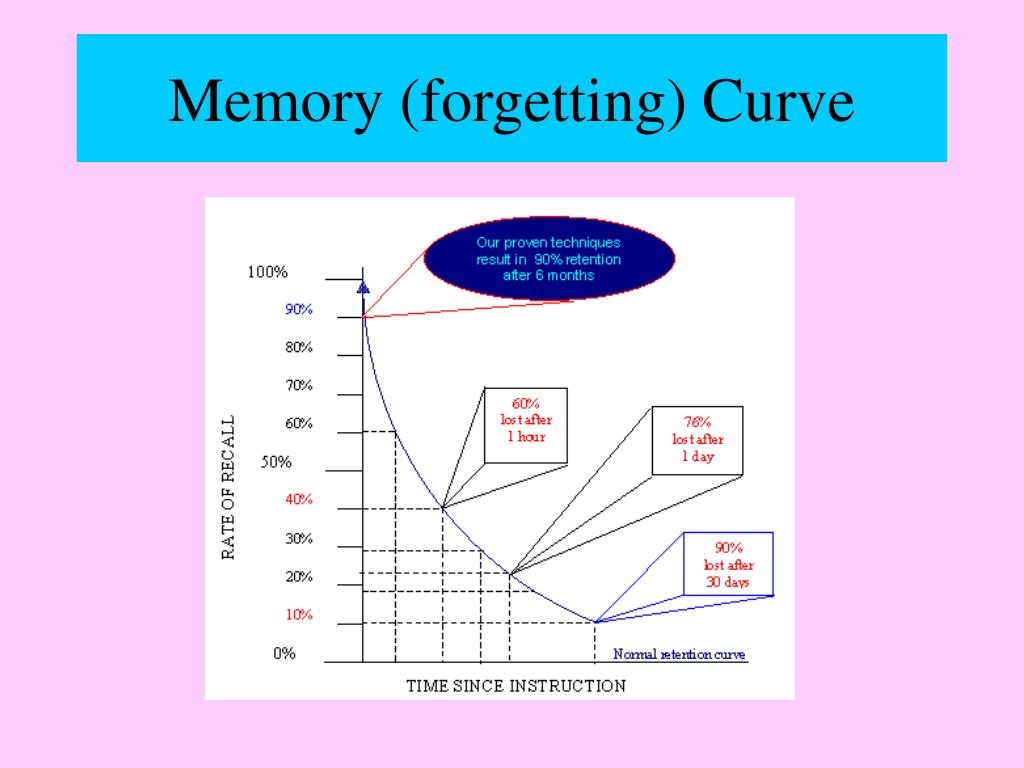
The gym is a fantastic teacher. But there is a chart that anecdotally looks a lot like what I feel happens when I skip a couple days in the gym. And it looks like this.
The Memory Curve
The memory curve is what scientists have identified as the amount of material we humans forget over time. Forgetting things? It’s annoying.
Weren’t we talking about gyms?
It might be strange to see the memory curve while discussing how fast gym gains go. However, the body is a learning instrument. The body remembers and responds to what you have done so that it can prepare you for the future. The body isn’t dumb. It knows if your future is sitting on the couch all weekend. During those subzero weeks in January that might be ok. Over the course of a calendar year? Go touch grass, anon.
It’s not just the muscles that remember. Your brain does, too.
And as I watched myself type out another prompt for the AI to prompt itself, I realized that I needed to put myself into “the gym” for writing.
Substack seems like as good a gym as any for that. While the topics I write about are incredibly niche, it’s important to write.
I’d encourage you to do the same.
Here’s why.
Why you should write more
There are absolutely times when it makes more sense to have AI write a block of content. And yet, I am suggesting to you right now that if you don’t use your brain to do the writing, your brain will helpfully erase that part. “My human no longer needs to know how to write! Great news-I’ll free that part up by erasing everything having to do with writing.”
Gee. Thanks.
I am not here to convince you writing is a heroic act. It’s a functional one. If you prompt AI regularly then you know the power of clarity and depth in thought. You won’t improve by just writing prompts. You need to be intentional in your art of writing. Grow opinions, find words that twist concepts until they invert expectations, and then activate the possibility that’s dormant inside you.
Sling words like spells. Practice first. Don’t turn grandma into a piglet.
Intentional means writing more and being intentional about incorporating techniques that you search for. Take those techniques for a ride. See if the word tricks work as advertised or if you need to invoke the lemon law. You need a dirty track to drive your learnings on. Substack is largely anonymous: most internet sites block the links. Isn’t that handy? It’s the dirt track of writing. Just toss words on your substack not for readers, but for you.
I was already posting project notes on substack, and you’re reading this. So it seems to make sense.
Reflecting on being a better writer is what did me in. I realized writing on substack wasn’t just a note-taking device for me. It’s now a word gym. I have parts of my brain I need to bring back to the weightroom and then take them out on the dirt track for a test drive.
Vroom. Vroom.
Thanks for reading! Subscribe for free to receive new posts and support my work.