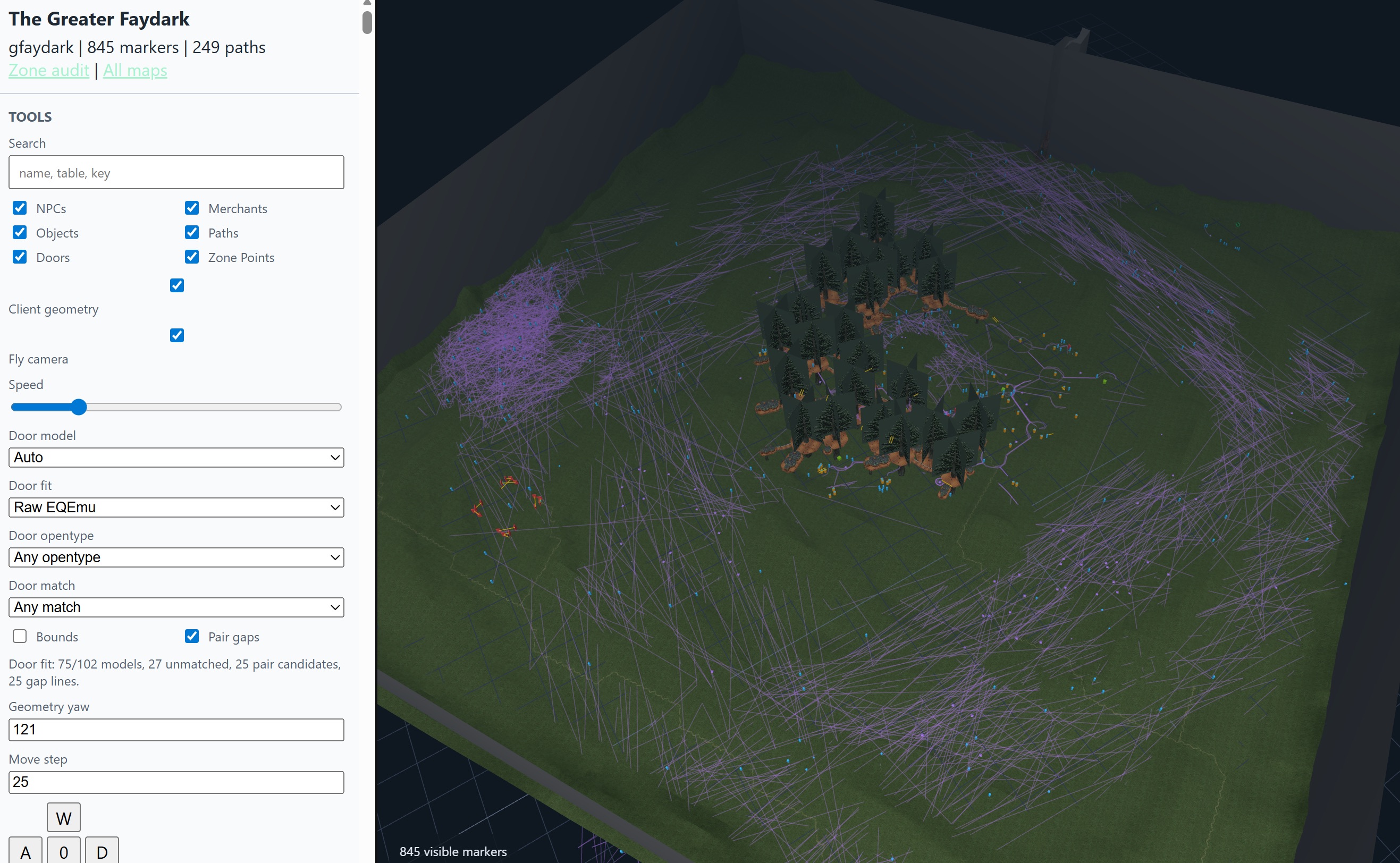
When doing a digital archaeology and working with retro software one of the mistakes I make is intuitive: I don’t immediately reach for the AI model to build specific debugging tools.
Too many times I just push thru code and editors expecting to solve it without the need for specialization because in the old-world specialized tools were costly to build. You’d only build a custom add-in or extension as a last resort. There just wasn’t time to waste when a mountain of backlog tickets layered like a brick wall between you and GTM delivery.
That is the deeper truth about why I find the thought of building specific debugging tools an expensive operation, and it’s wrong. In the currently world Codex or Claude can one-shot any debuggin’ tool you can imagine in five minutes.
What this means is that when I remember to do so, I can build fully interactive debugging tools at the level of the lowest object or artifact in the scene. For example, say you’re wondering about NPC placement and pathing.
I built a tool for this, for a game that shipped in 1999, which as you know I ported to typescript as an intellectual exercise of “would this crazy idea even work?” followed a few days later by “wow, it did.”
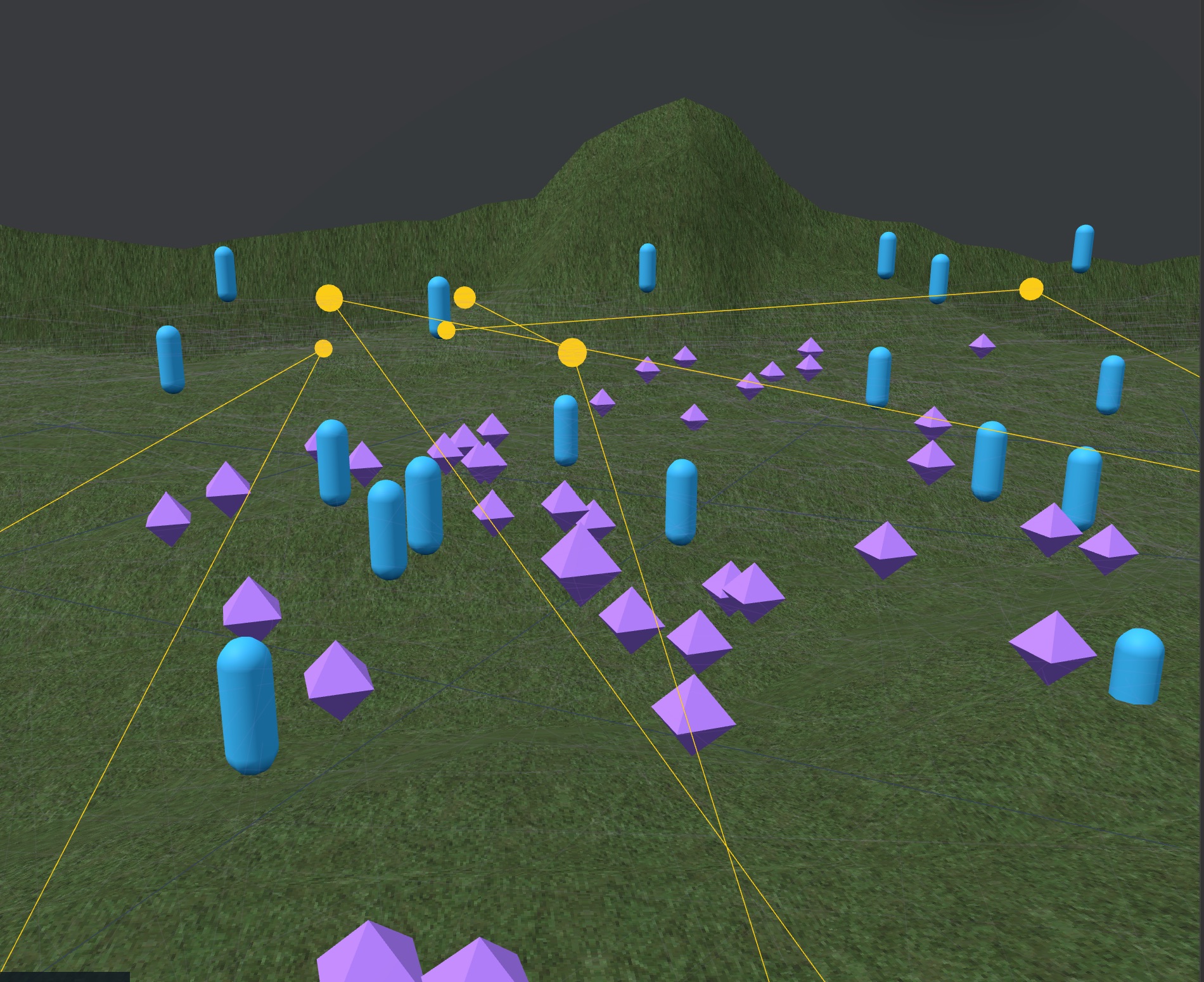
Think bigger with your tools
Debugging tools are useful because it helps to identify what’s wrong, which in the case of the project like this is everything. It’s the frame of mind that’s important: you don’t want to just write the prompt for the AI to build something. You want it to build the entire toolbox that makes that something more than just an idea.
There is something about the tooling. The ability to spin up debugging tools on the fly and use them to correct for odd-ball scenarios is so powerful. For example, how do you make sense of pathing, NPC placement, objects or doors in a complex scene? It’s not like you have advanced game mastering tools. Yet, you could.
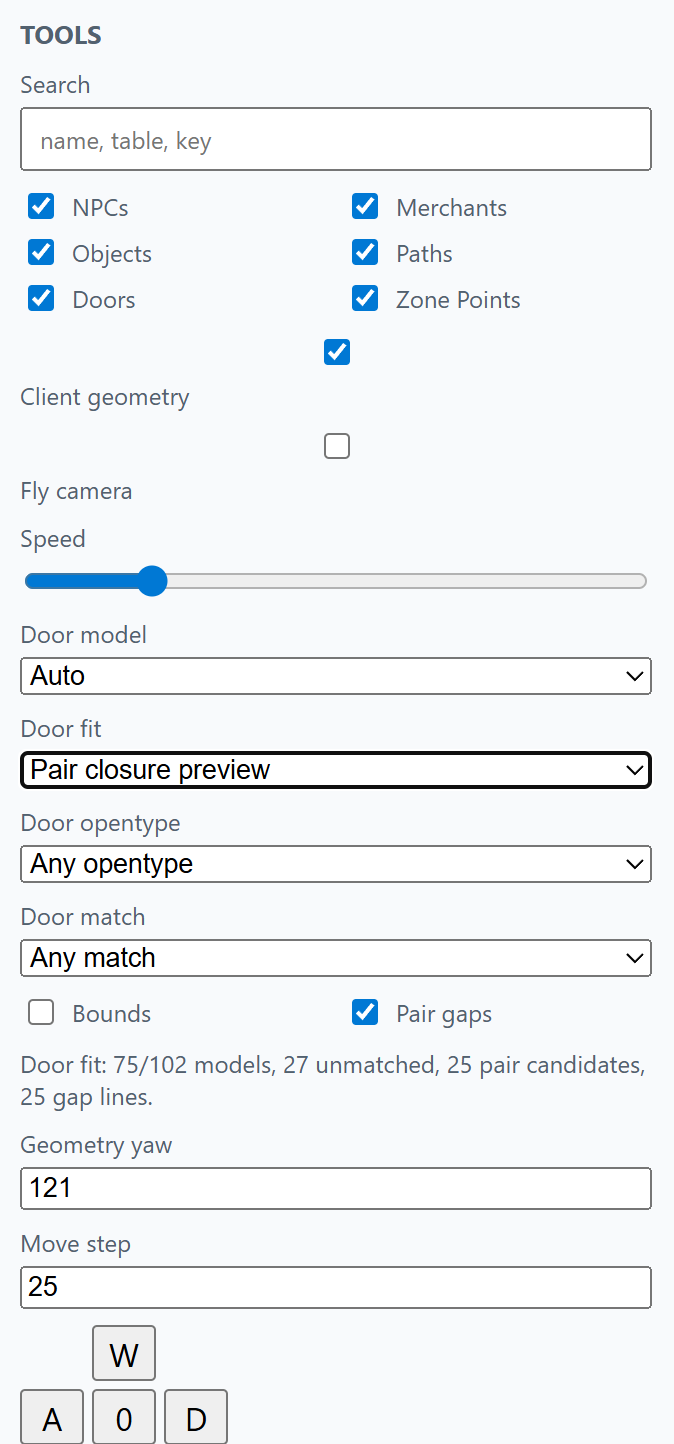
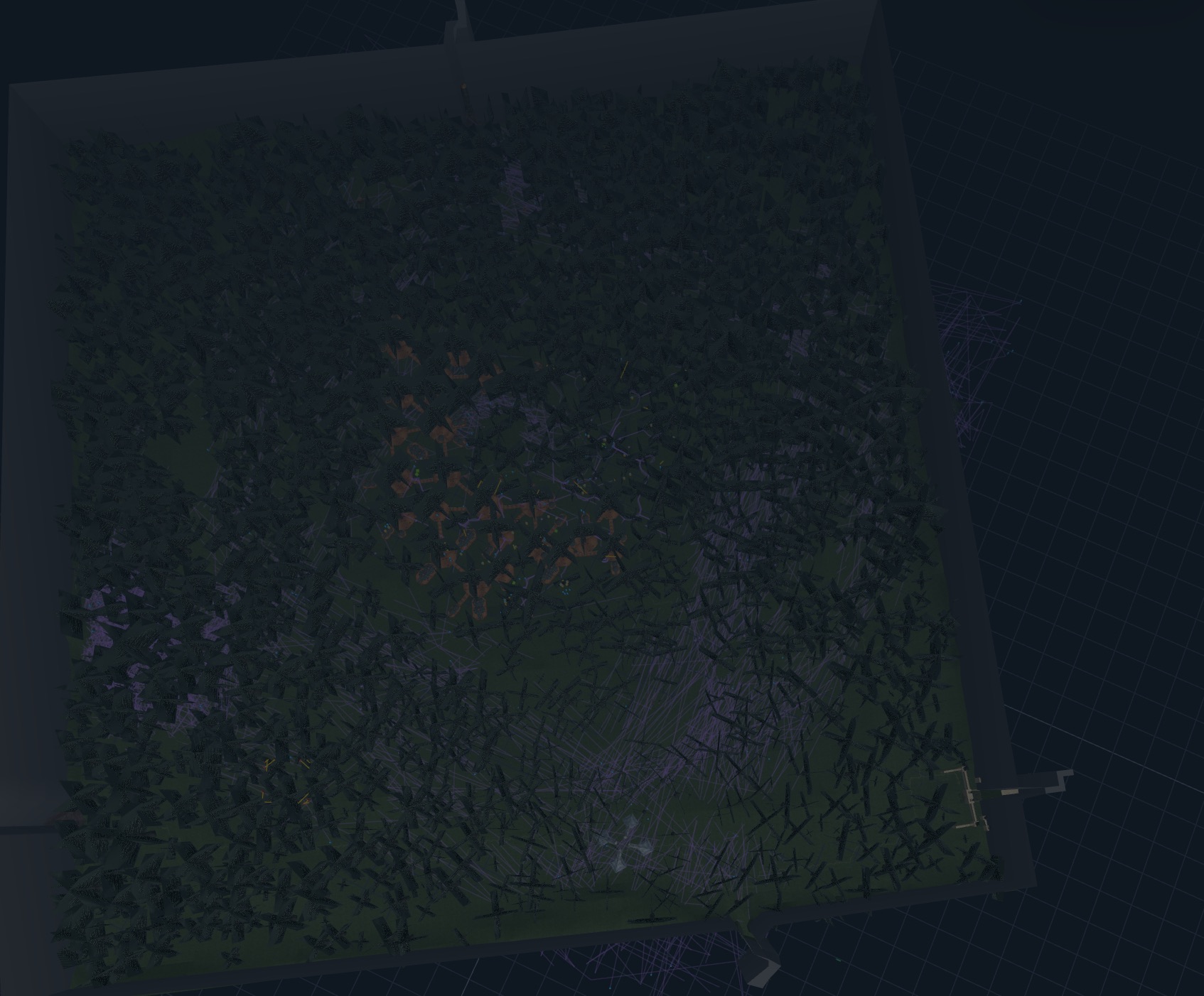
There’s something about building a thing where it’s not just building the thing, or getting the thing to work. There’s the "ecosystem of tooling” around the thing you make that makes it possible.
When doing a digital archaeology and working with retro software it’s a good thought to leverage AI model to build specific debugging tools. It works. In fact, it’s got me thinking that this would be useful in so many other contexts. Why shouldn’t a website have a dedicated set of tooling? A tool to adjust padding or margin? Yes, you could use devtools. However, it’s often like using a sledgehammer when you need a butterknife.
Challenging the mental model of what’s intuitive and useful with AI directed development does require on thing. It requires you to use AI. There’s an art to this.
Today’s writing technique
Annie Dillard describes writing as a line of words that becomes a tool of discovery; she also notes that beginnings are often the part the writer later throws away.