Originally published as a public AdvisoryHour Substack note on June 28, 2026. This first-party site copy preserves the note text, localizes the attached generated image, and keeps a path back to the source. You can also subscribe on Substack.
The note
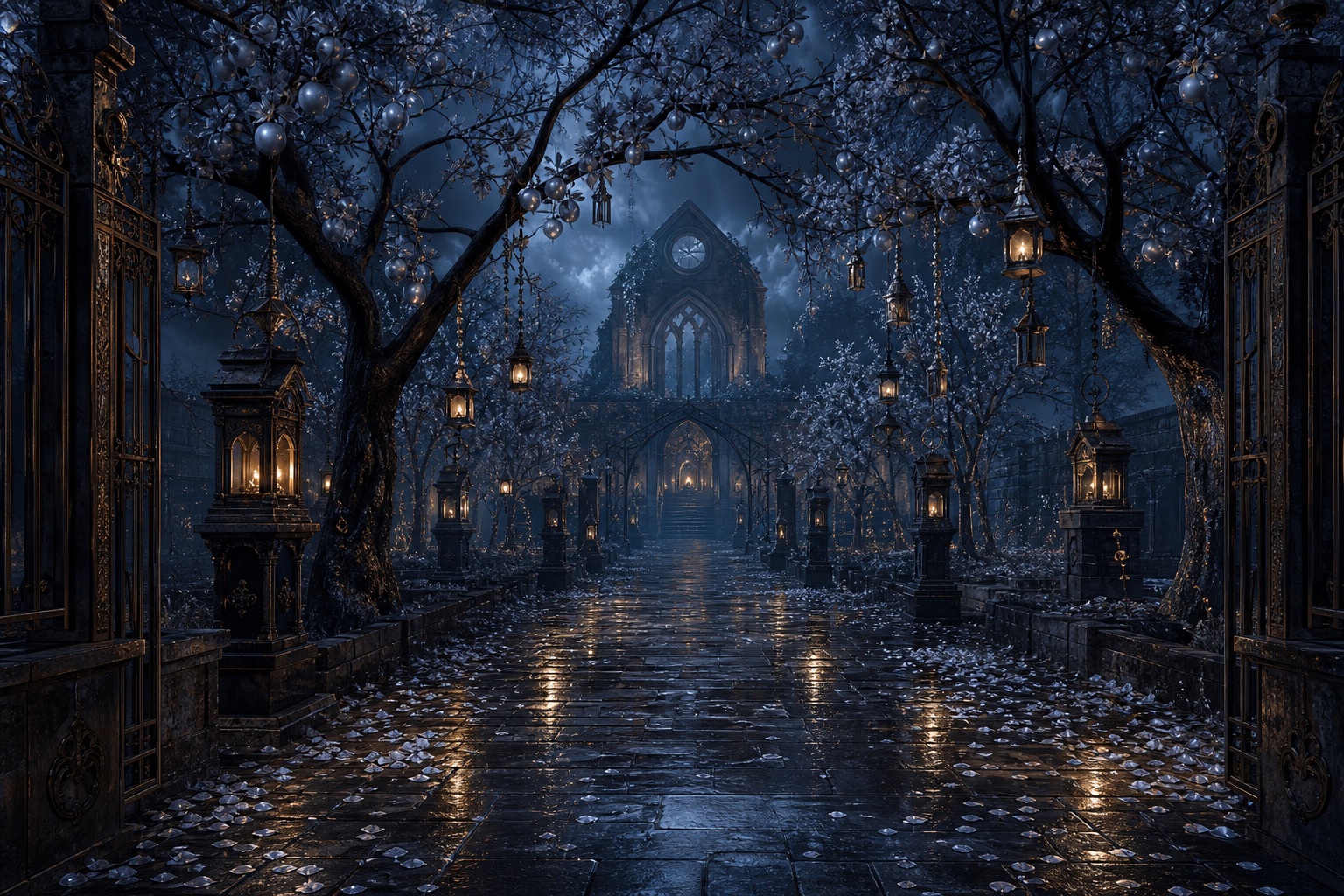
A place that exists only in imagination
AdvisoryHour note · June 28, 2026
Context from the thread
Eric added useful implementation context in a public reply under the note:
This shot above is gpt-image-2 from using the tech I’m using with John’s World and uh “kitchen world” (I need better names 😂). Tied in with the context pipeline that lets me do this (cloudflare’s replicate)-seems to produce better results than just ad hoc prompts.
What this connects to
This belongs in Field Notes with the other generated-world and City Explorer entries because it sits between aesthetics and tooling: not a finished project page, but a progress marker for making imagined spaces more repeatable.
Kira Commentary
This note is small, but it captures a useful shift in the generated-world work: the image is not just a prompt result, it is evidence of a pipeline. The phrase “a place that exists only in imagination” lands because the scene feels like it has already started accumulating local rules: light, material, scale, and a memory of rooms that are not yet part of a formal map.
The thread context matters. If the shot comes from GPT-image-2 plus the same context machinery used around John’s World and the kitchen-world experiments, then the real artifact is the repeatable setup. It suggests a path beyond one-off image generation: feed the model more world-state, maintain context, then ask for new views that feel like they belong to the same imagined place.
What might be next: use this kind of note as a visual checkpoint. If later generated rooms, streets, or interiors can refer back to this same vocabulary without collapsing into generic fantasy architecture, the pipeline is starting to behave less like image roulette and more like a world-building instrument.